
Mechanical Engineering
Head of Department: Dr. K.R.V. Subramanian
About the Department
Overview
Vision
Mission
Programmes Offered
Click a programme to view details, outcomes, syllabus, and more.

Department Faculty
Meet the educators and researchers guiding our department.
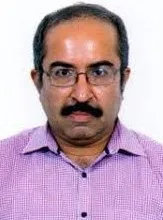
Dr. K.R.V. Subramanian
Head of DepartmentProfessor and HOD and Head R & D
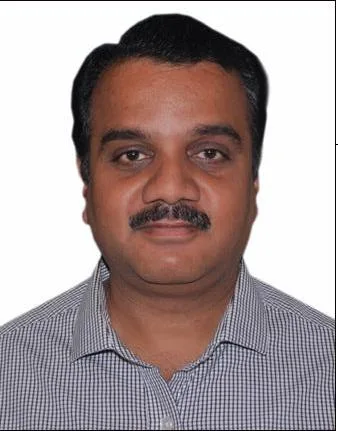
Dr. P. B. Nagaraj
Professor
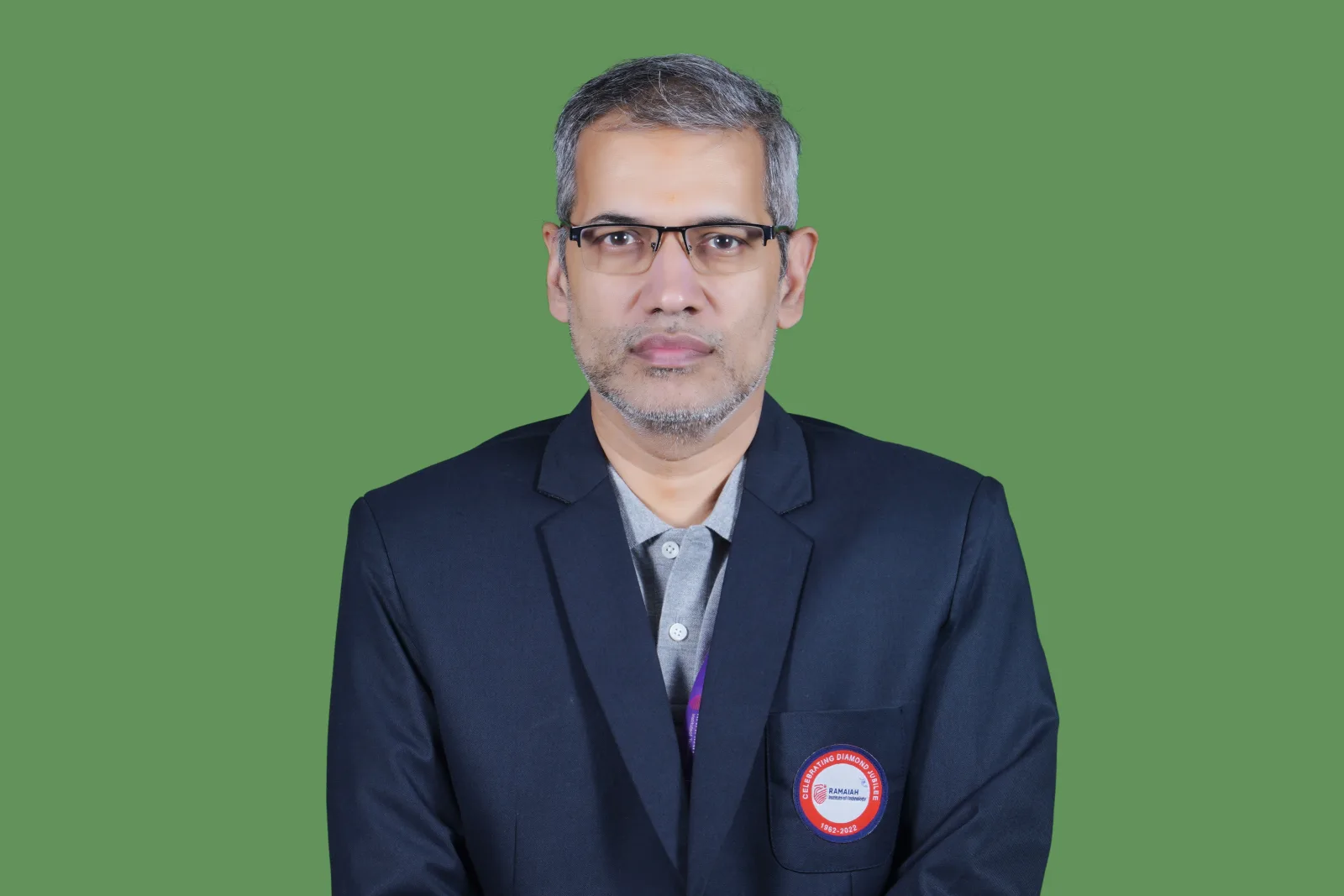
Dr. Sunith Babu L
Professor
Dr. Hari Chandra B P
Associate Professor
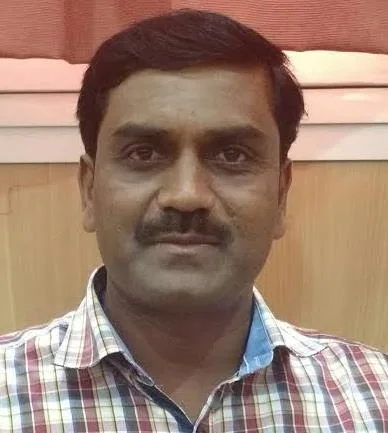
Dr. Niranjan Murthy
Associate Professor
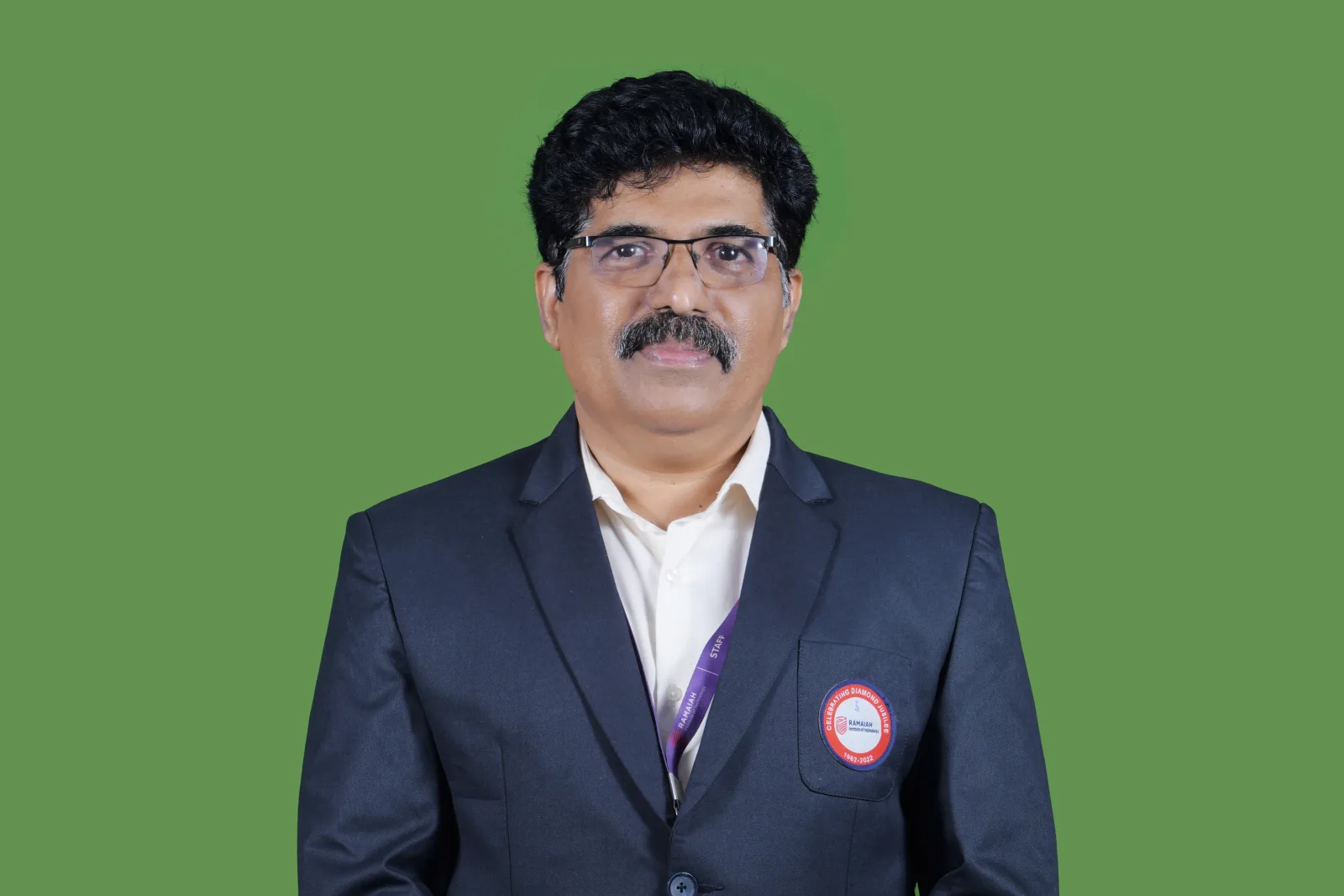
Dr. Mohandas K.N.
Associate Professor
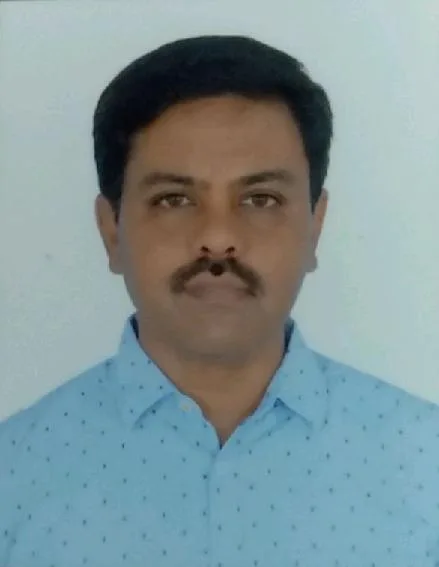
Dr. Anilkumar T.
Associate Professor
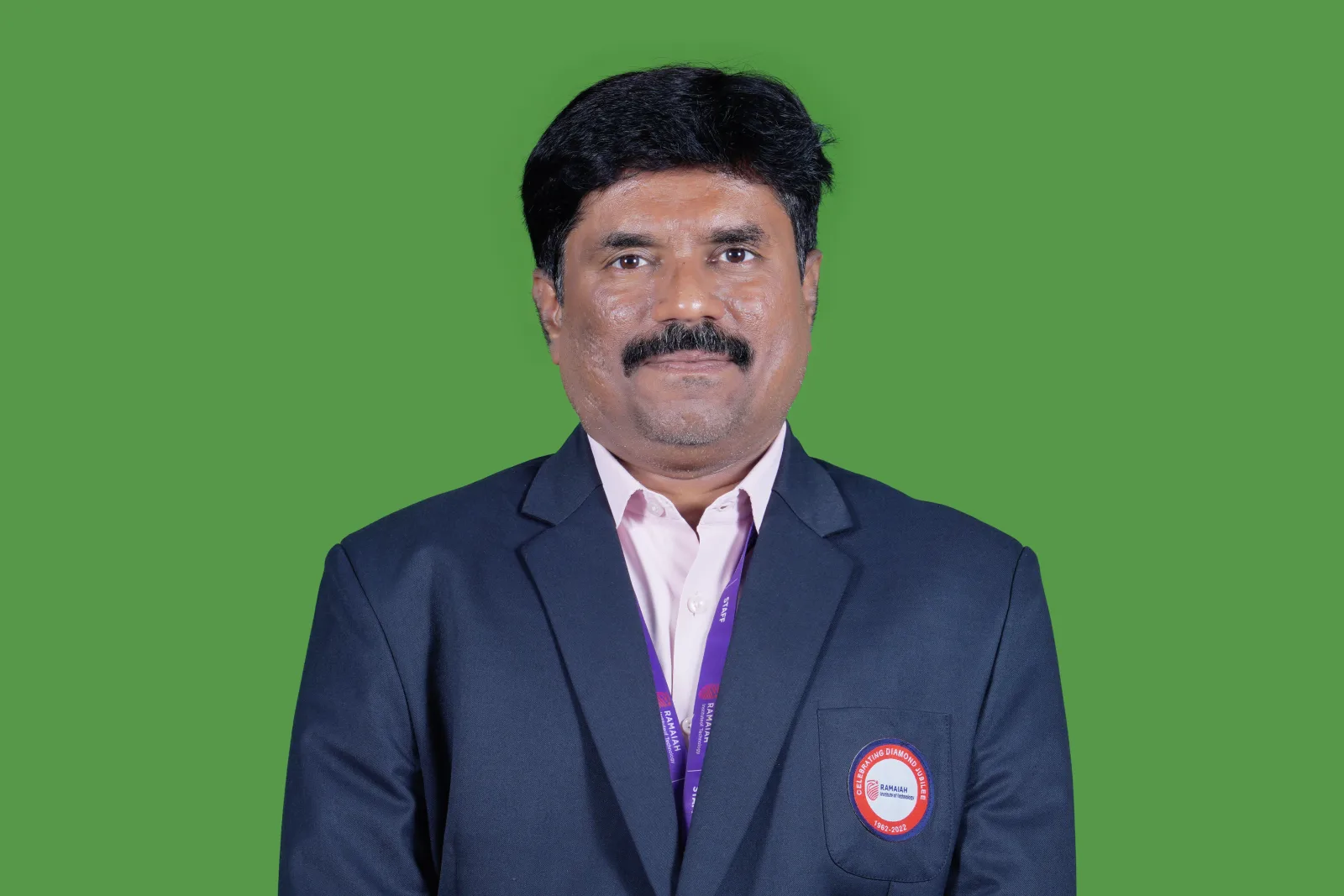
Dr. Siddaraju C.
Associate Professor
Dr. Nagesh S.N.
Associate Professor
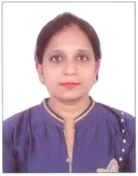
Dr. Jyothilakshmi R.
Associate Professor
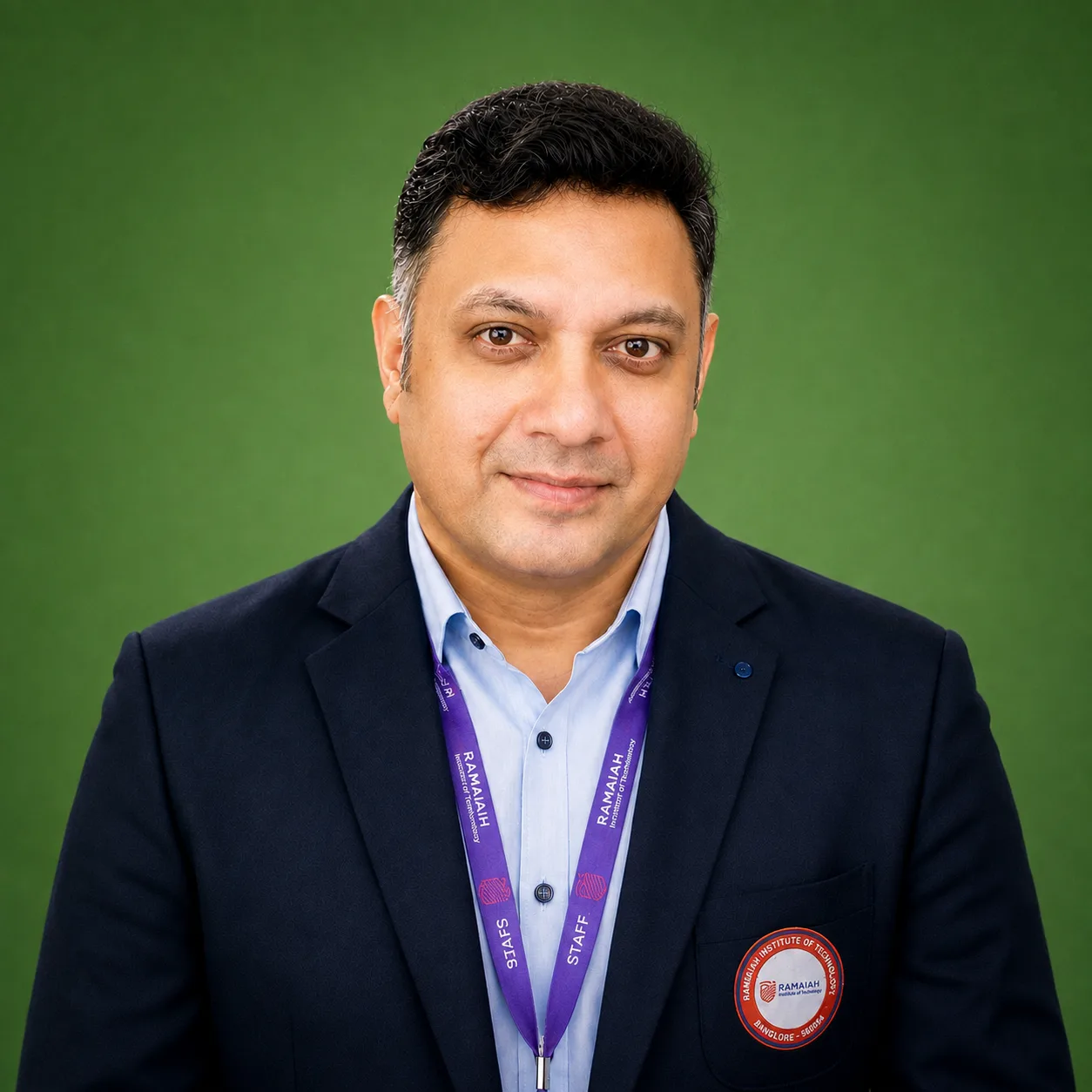
Dr. Vishwanath Koti
Associate Professor
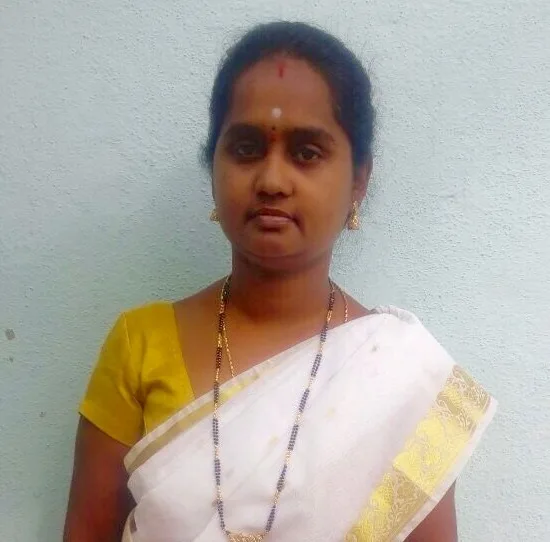
Dr M. Arunadevi
Associate Professor
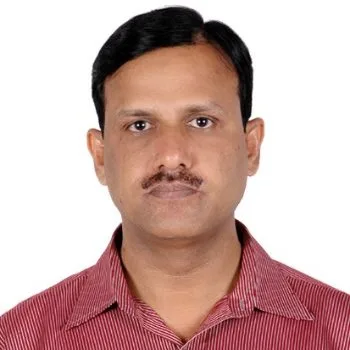
Venkatesh Donekal
Assistant Professor
Jaya Christiyan K.G.
Assistant Professor
Dr. R Kumar
Assistant Professor
Dr. Aruna Kumara P. C.
Assistant Professor
Dr. Rajeesh S
Assistant Professor (Selection Grade)
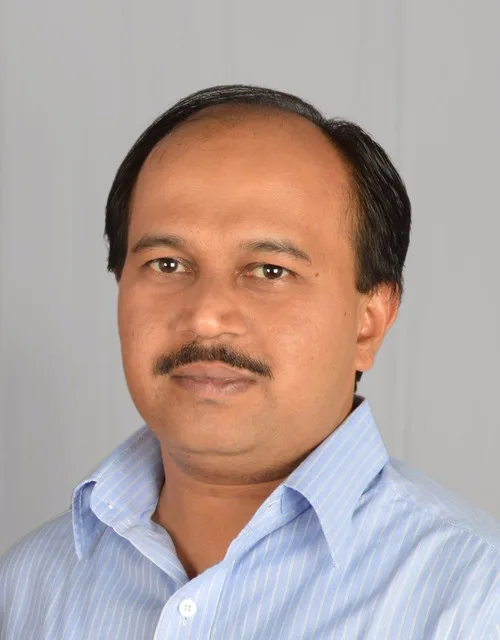
Dr. Vishwas D. K.
Assistant Professor
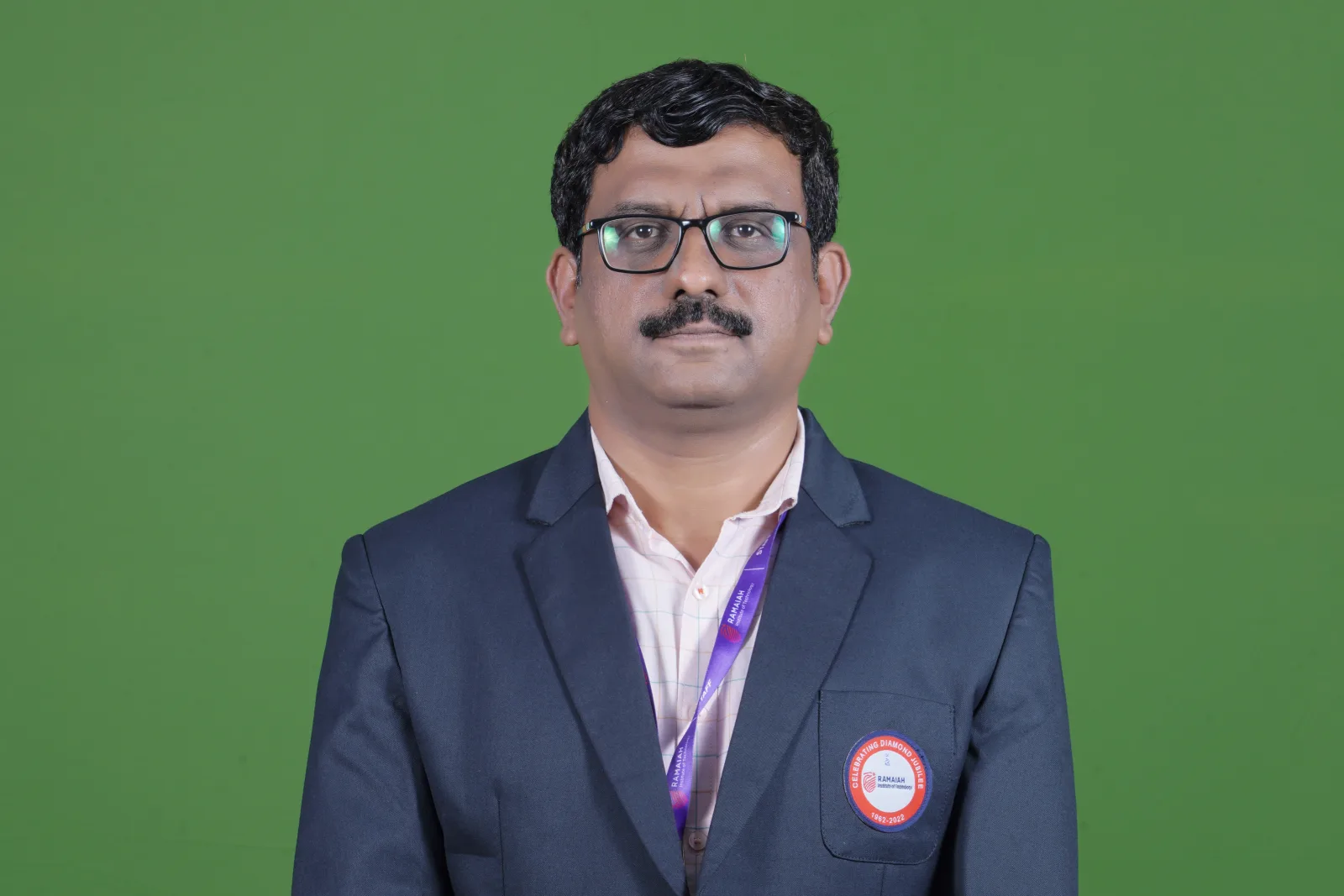
Dr. Girish V. Kulkarni
Assistant Professor
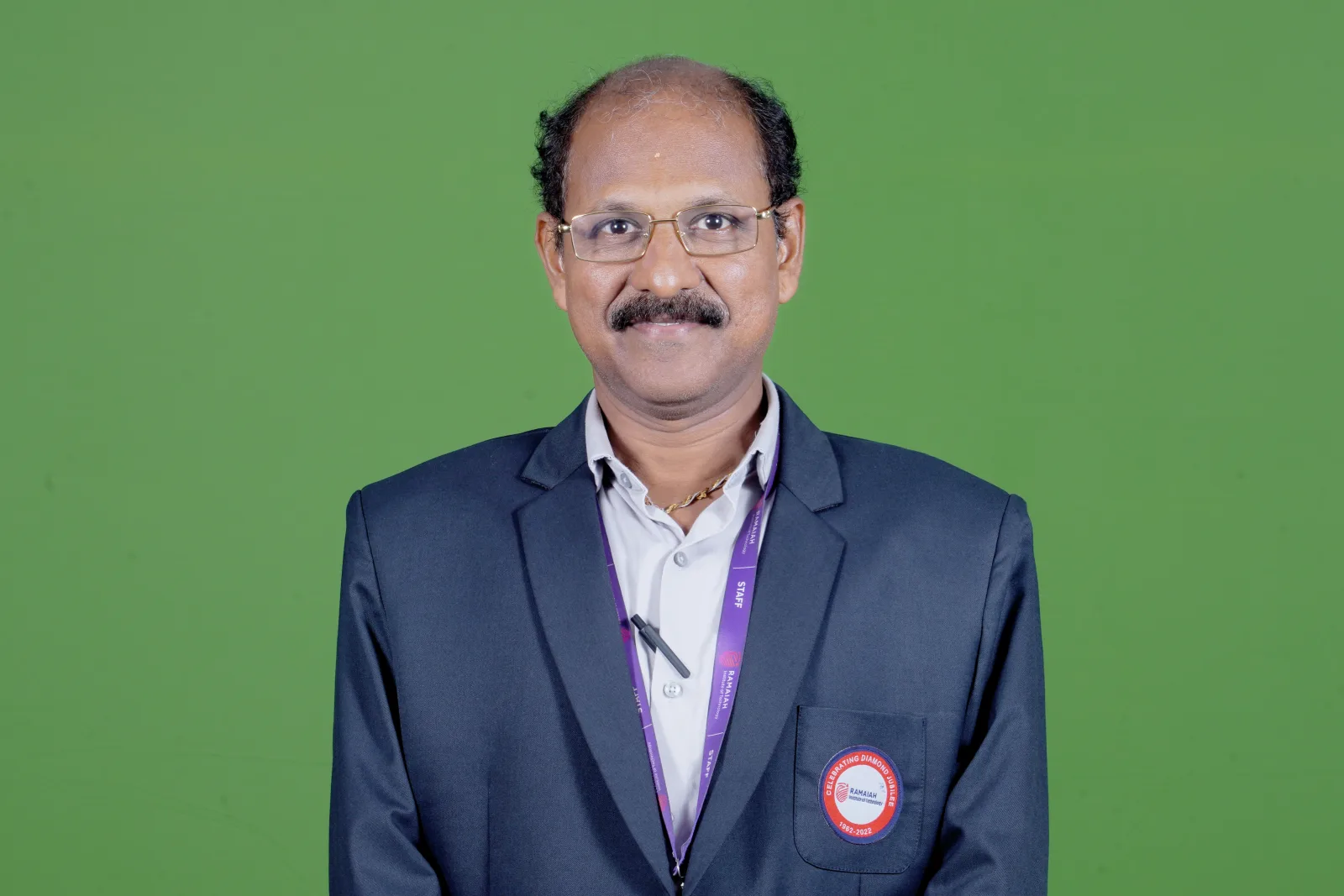
Dr. Mahantesh S Matur
Assistant Professor
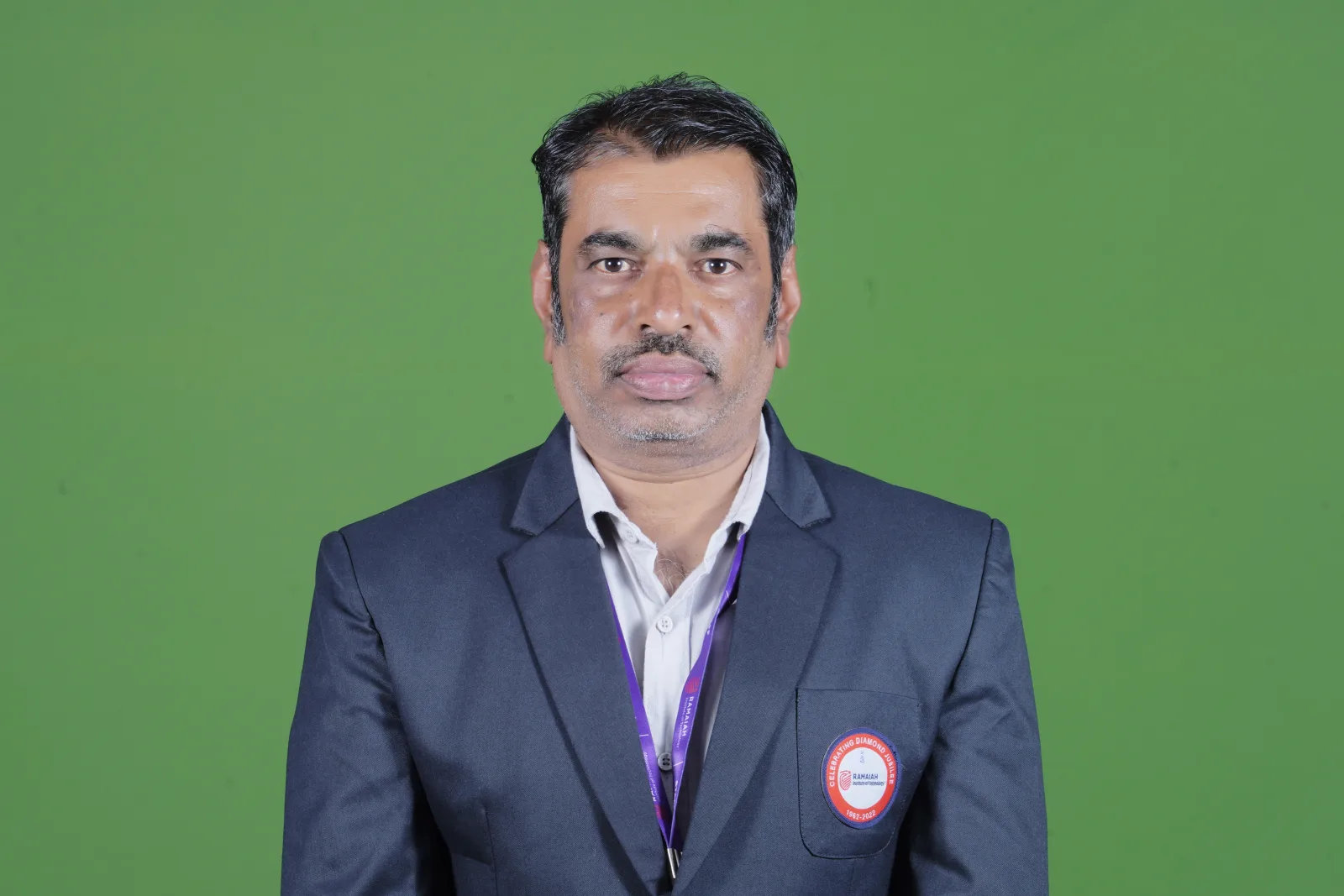
Dr. Lokesha
Assistant Professor
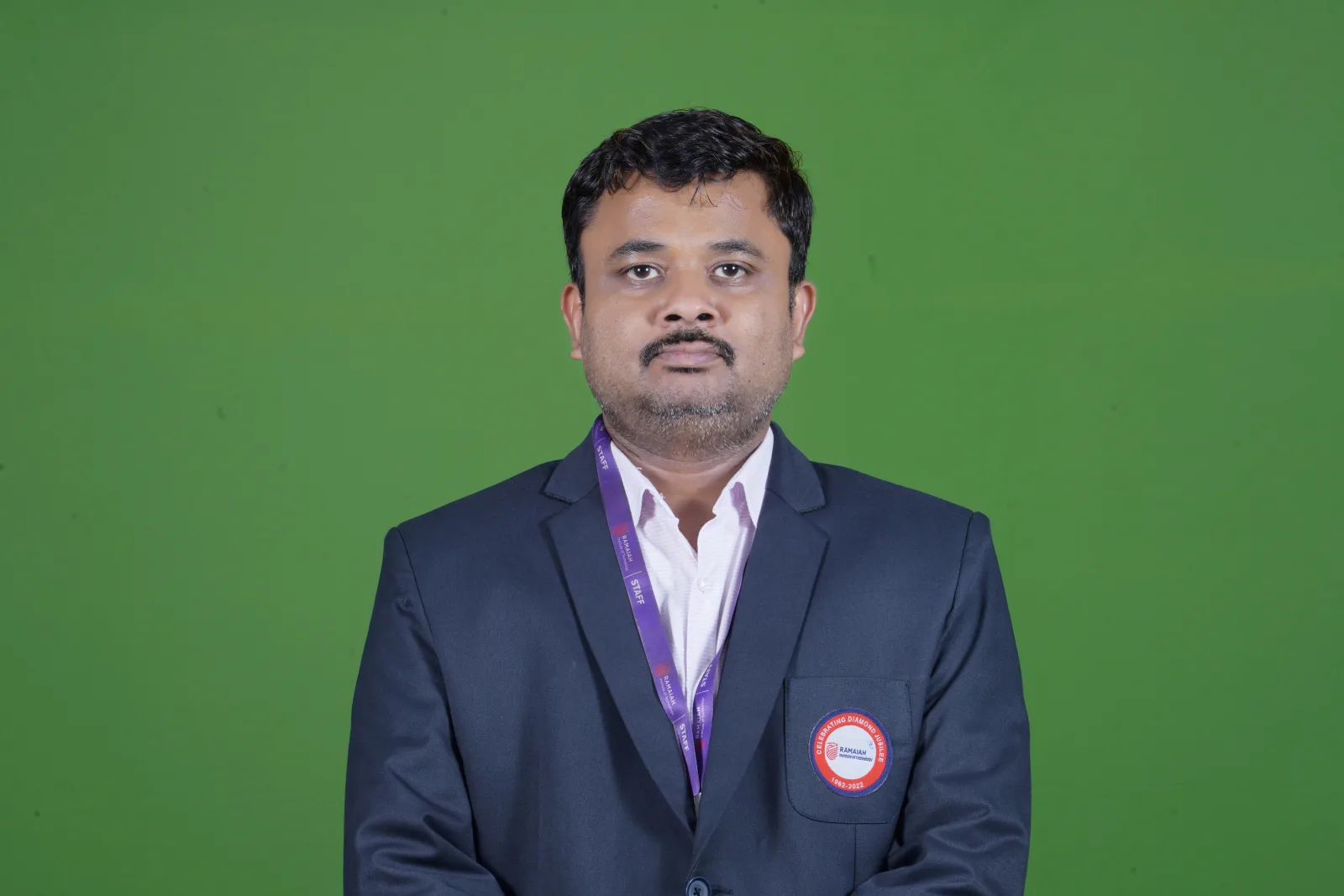
Dr. Balasubramanya H. S.
Assistant Professor

Dr. Prakrathi S.
Assistant Professor
Dr. Rajendra P.
Assistant Professor

Dr. Ashok Kumar K.
Assistant Professor

Dr. Nandeesha H L
Faculty, Department of Mechanical Engineering
Mr. Pradeep Kumar K. V
Assistant Professor
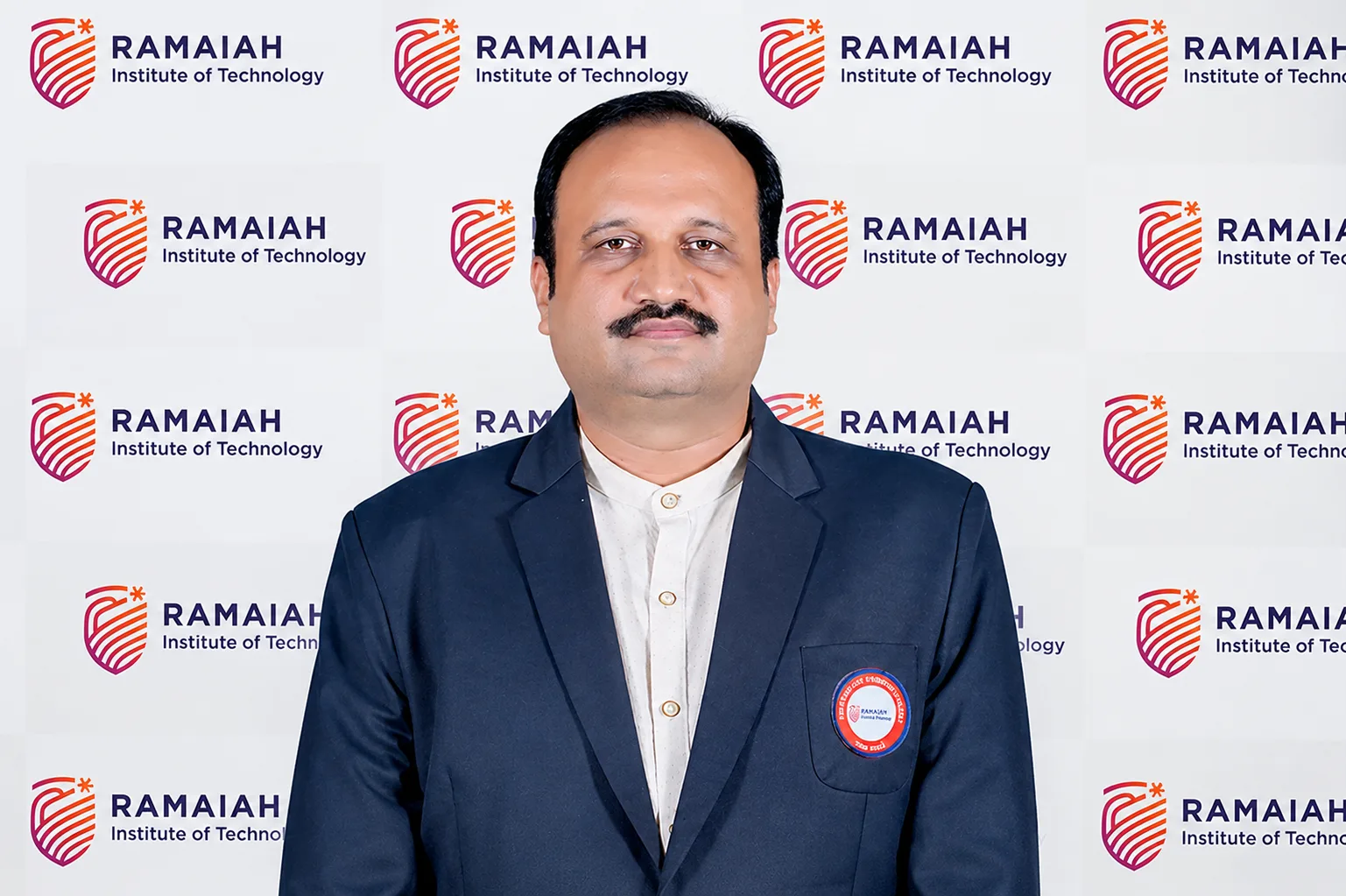
Naveen Kumar B K
Assistant Professor
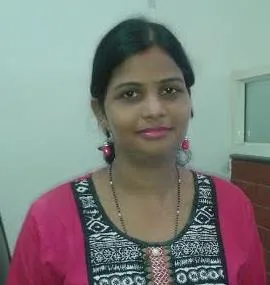
Bijayalakshmi Das
Assistant Professor
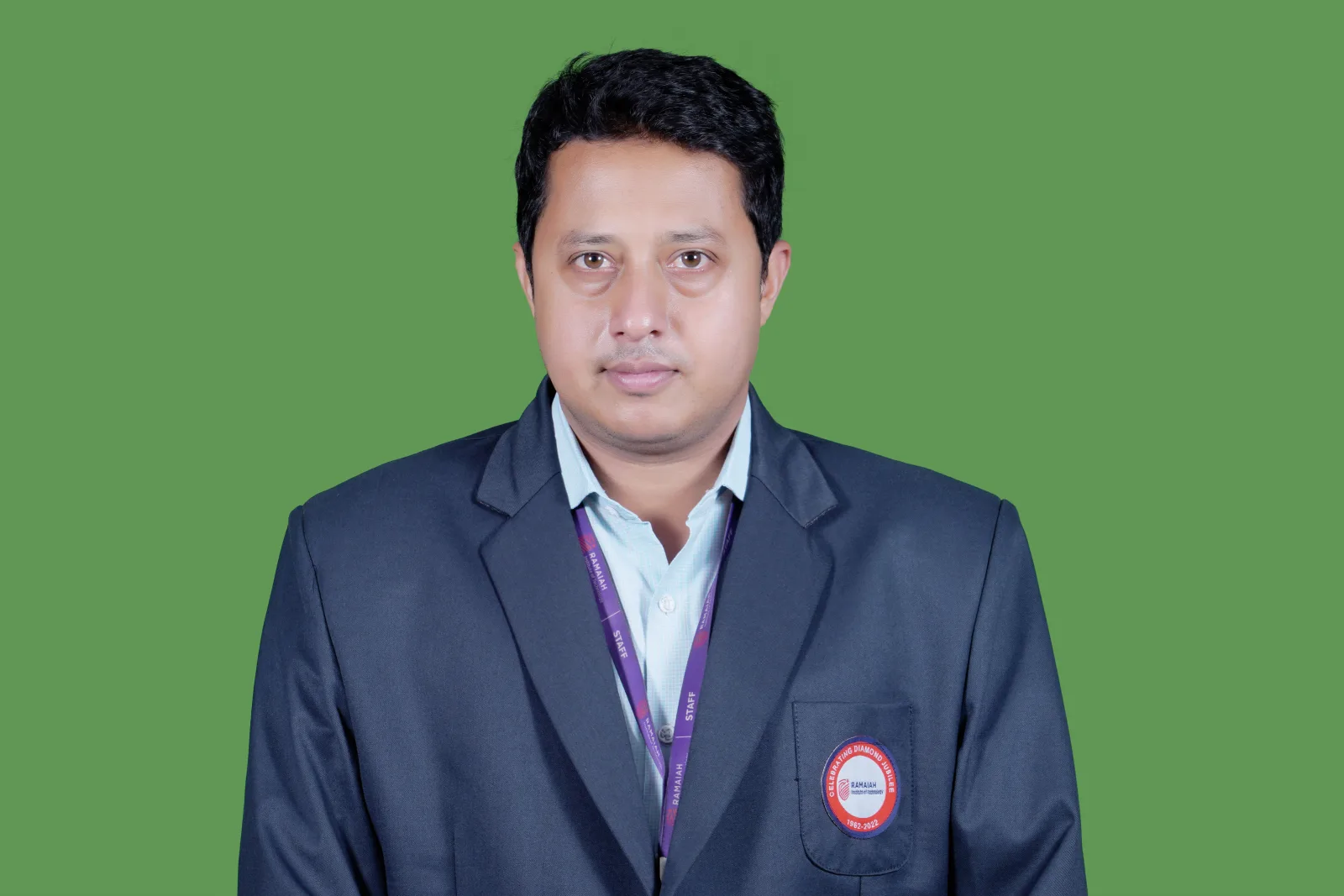
Mr. Nishanth R. Acharya
Assistant Professor
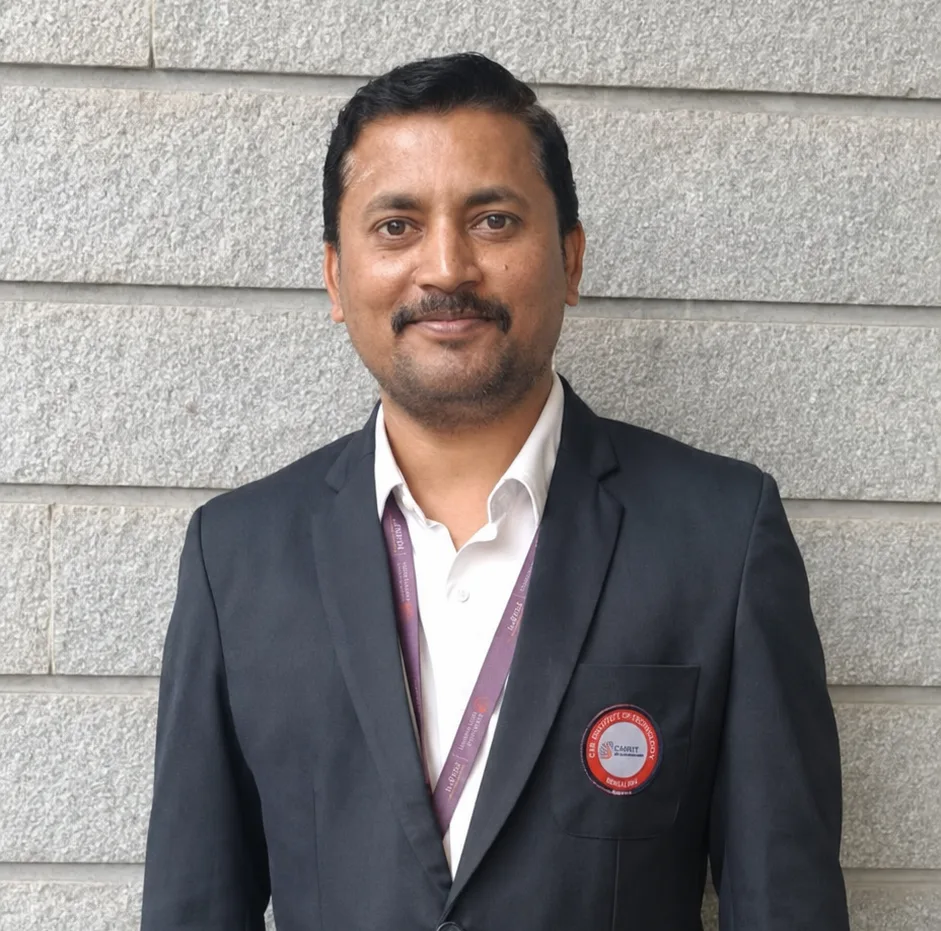
Dr. Gururaj
Assistant Professor
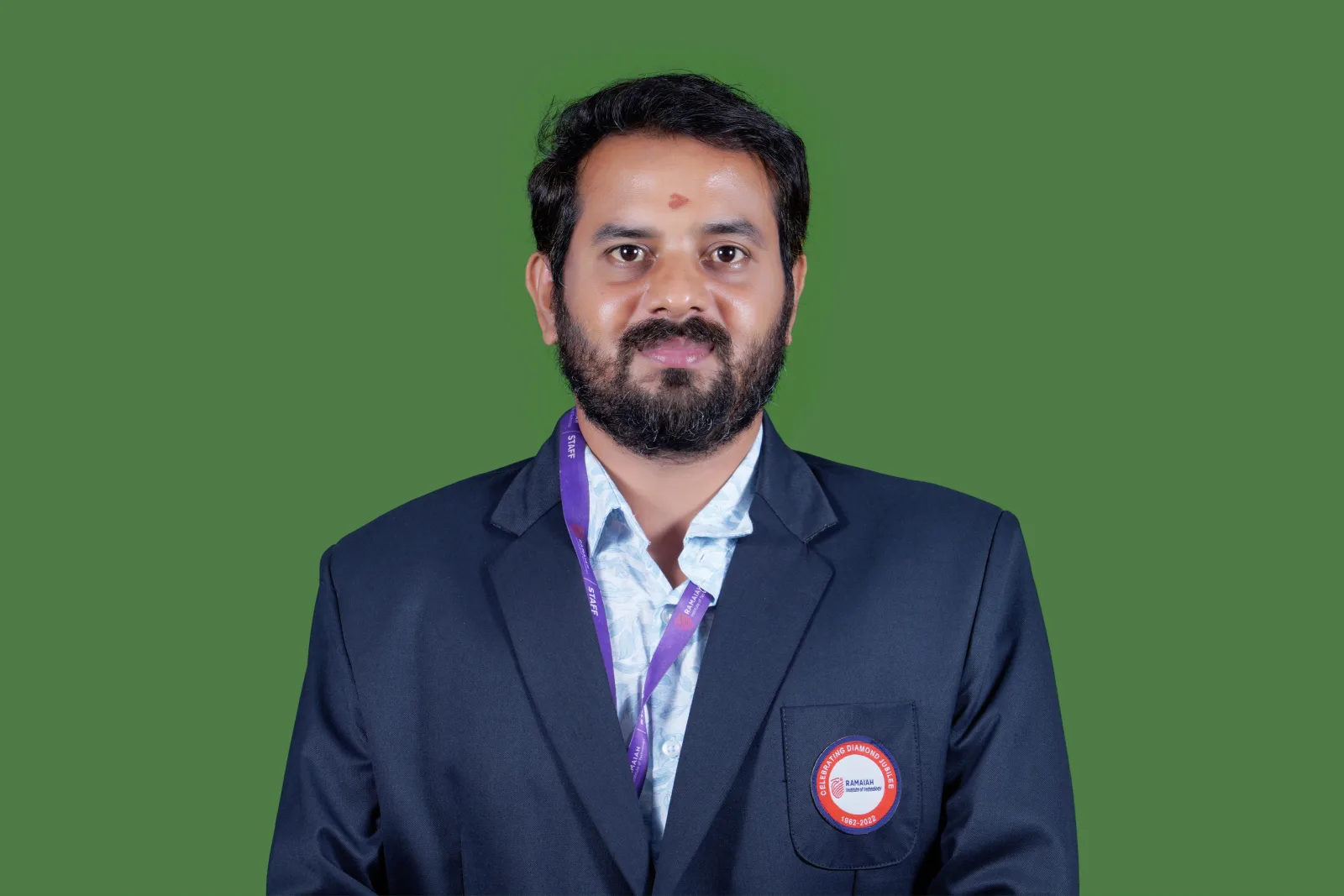
Mr. Pavan Kumar M V
Assistant Professor
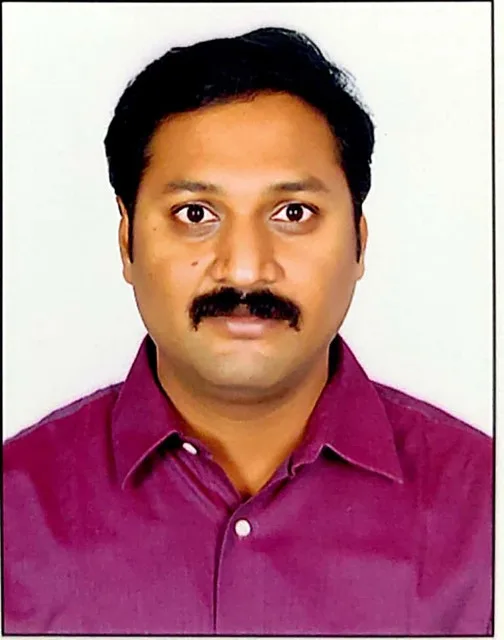
Mr. Deepak S
Assistant Professor
Department Events
Department Orientation Programme for First-Year Students-2026 Batch
• Design Lab- Mechanical Engg dept
The Department of Mechanical Engineering organises an orientation programme every year for first-year students following the institute-level welcome programme. Conducted from 2:00 PM to 4:00 PM in the Design Laboratory, the programme introduces students to the department’s academic structure, faculty members, laboratories, facilities, student clubs and professional opportunities. It helps students understand the scope of Mechanical Engineering and become familiar with the departmental learning environment.
Science And Technologies for Realizing Ambitious Sustainable Development Goals” (SATRA SDGs)
• ESB Seminar Hall 2 Ramaiah Institute of Technology
The 17 Sustainable Development Goals (SDGs) by the United Nations are quite ambitious. However, realizing the same requires contributions by multiple disciplines; and demonstrating the true concern towards sustainability. In this background the current Faculty Development Program is being organized. Aiming at doing our bit to accelerate awareness, progress and professional concern towards the SDGs, this FDP provides a platform for meaningful interaction and knowledge exchange among stake holders.
All Department Events
Department Orientation Programme for First-Year Students-2026 Batch
• Design Lab- Mechanical Engg dept
The Department of Mechanical Engineering organises an orientation programme every year for first-year students following the institute-level welcome programme. Conducted from 2:00 PM to 4:00 PM in the Design Laboratory, the programme introduces students to the department’s academic structure, faculty members, laboratories, facilities, student clubs and professional opportunities. It helps students understand the scope of Mechanical Engineering and become familiar with the departmental learning environment.
Science And Technologies for Realizing Ambitious Sustainable Development Goals” (SATRA SDGs)
• ESB Seminar Hall 2 Ramaiah Institute of Technology
The 17 Sustainable Development Goals (SDGs) by the United Nations are quite ambitious. However, realizing the same requires contributions by multiple disciplines; and demonstrating the true concern towards sustainability. In this background the current Faculty Development Program is being organized. Aiming at doing our bit to accelerate awareness, progress and professional concern towards the SDGs, this FDP provides a platform for meaningful interaction and knowledge exchange among stake holders.
Department Circulars
Time Table of A Y 2026-2027 (Odd Sem)
Term: 24/08/2026- 17/12/2026
24 Aug 2026 • academic
All Department Circulars
Time Table of A Y 2026-2027 (Odd Sem)
Term: 24/08/2026- 17/12/2026
24 Aug 2026 • academic
Funded Projects
Analysis of coolant strategies for controlling dimensional accuracy during milling of Titanium alloy-Dr Mohandas K N (PI)
TARE - SERB
Development of Sustainable Wire arc Additive Manufacturing for Refurbishing Aerospace Components
Grant for Research Excellence (GRE)-VGST-Karnataka State Council for Science and Technology
Labs & Infrastructure
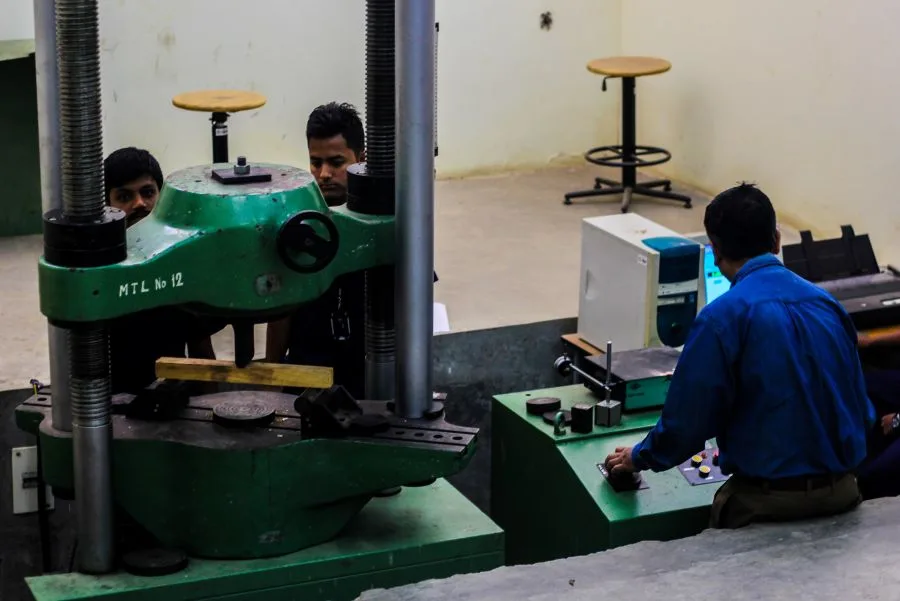
Materials Testing Laboratory
The Materials Testing Laboratory provides students with practical exposure to the mechanical behaviour and properties of engineering materials. Experiments are conducted to determine tensile strength, compressive strength, hardness, impact strength and shear strength using standard testing equipment. Students learn to analyse material deformation, failure characteristics and suitability for engineering applications. The laboratory strengthens their understanding of material selection, testing procedures and quality evaluation.
Materials Testing Laboratory
The Materials Testing Laboratory provides students with practical exposure to the mechanical behaviour and properties of engineering materials. Experiments are conducted to determine tensile strength, compressive strength, hardness, impact strength and shear strength using standard testing equipment. Students learn to analyse material deformation, failure characteristics and suitability for engineering applications. The laboratory strengthens their understanding of material selection, testing procedures and quality evaluation.
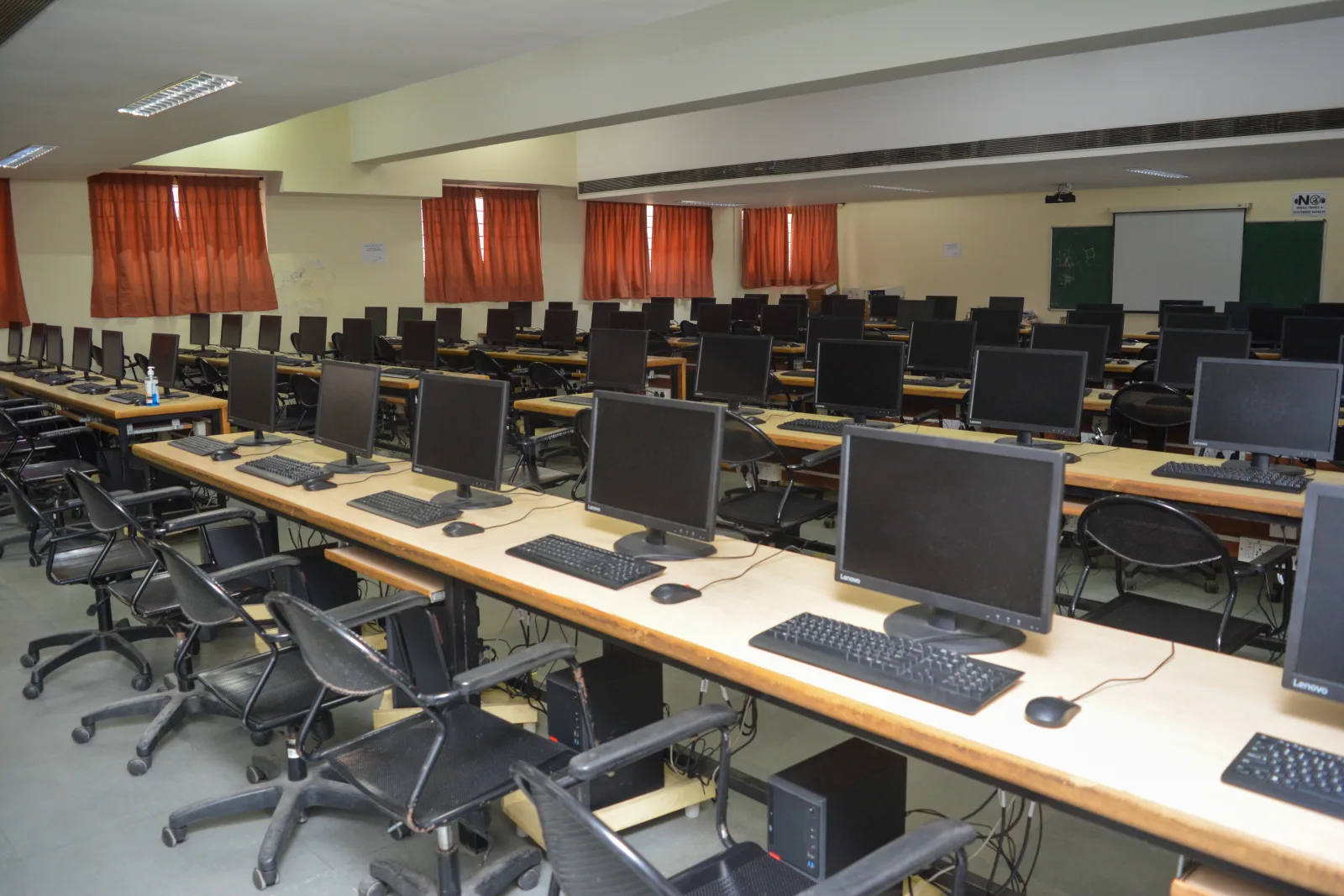
Computer Aided Machine Drawing
The Computer-Aided Machine Drawing Laboratory develops students’ skills in preparing detailed engineering drawings using modern CAD software. Students create orthographic views, sectional views, part drawings and assembly drawings of various machine components. The laboratory provides hands-on experience in applying drawing standards, dimensioning and design conventions. It strengthens students’ visualization, drafting and computer-aided design skills for engineering applications.
Computer Aided Machine Drawing
The Computer-Aided Machine Drawing Laboratory develops students’ skills in preparing detailed engineering drawings using modern CAD software. Students create orthographic views, sectional views, part drawings and assembly drawings of various machine components. The laboratory provides hands-on experience in applying drawing standards, dimensioning and design conventions. It strengthens students’ visualization, drafting and computer-aided design skills for engineering applications.
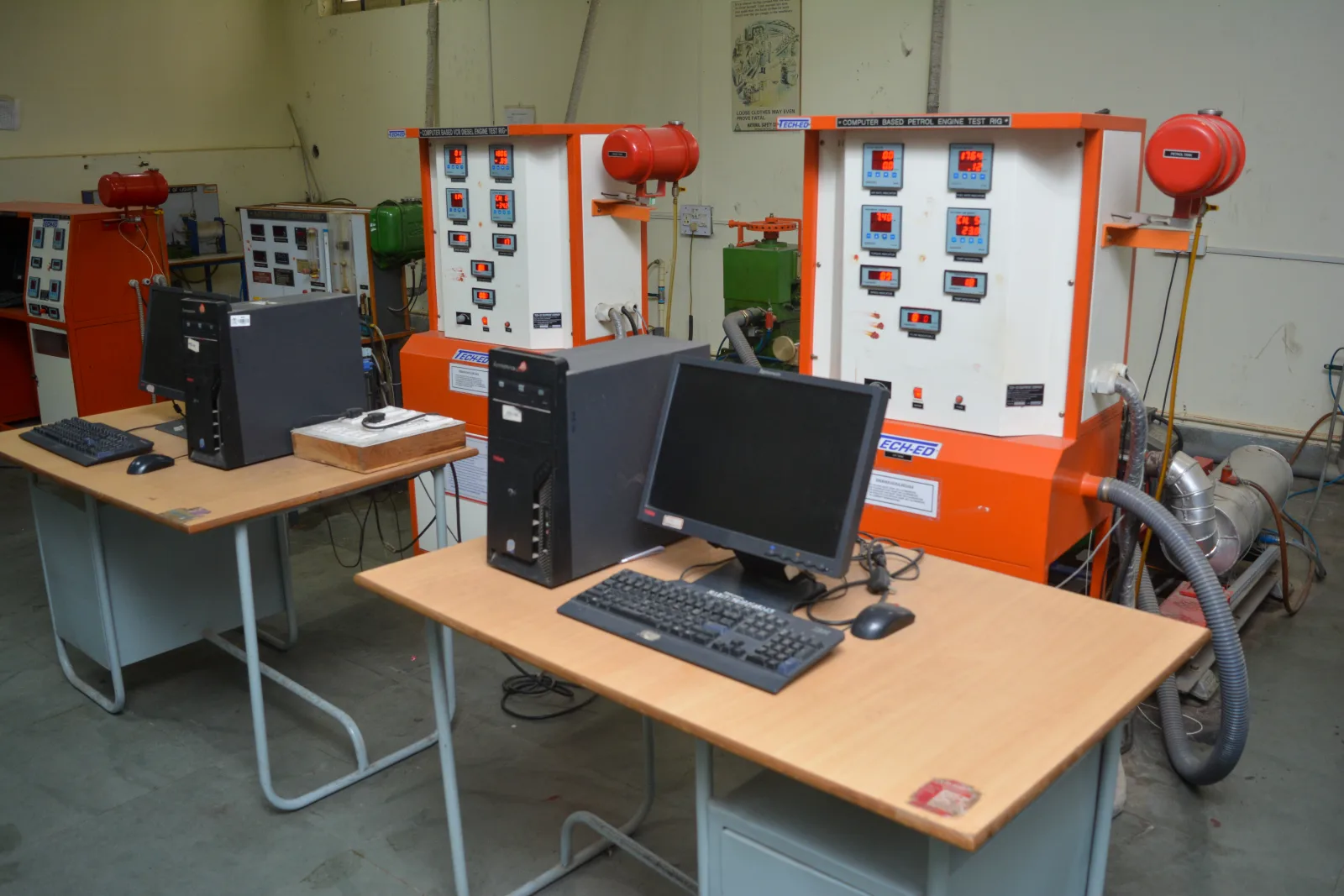
Applied Thermodynamics Laboratory
The Applied Thermodynamics Laboratory provides students with practical exposure to the working and performance characteristics of internal combustion engines. Experiments include testing the properties of fuels and evaluating the performance of two-stroke and four-stroke engines under different operating conditions. Students determine parameters such as fuel consumption, brake power, thermal efficiency and specific fuel consumption. The laboratory strengthens their understanding of fuel characteristics, engine combustion and performance analysis.
Applied Thermodynamics Laboratory
The Applied Thermodynamics Laboratory provides students with practical exposure to the working and performance characteristics of internal combustion engines. Experiments include testing the properties of fuels and evaluating the performance of two-stroke and four-stroke engines under different operating conditions. Students determine parameters such as fuel consumption, brake power, thermal efficiency and specific fuel consumption. The laboratory strengthens their understanding of fuel characteristics, engine combustion and performance analysis.
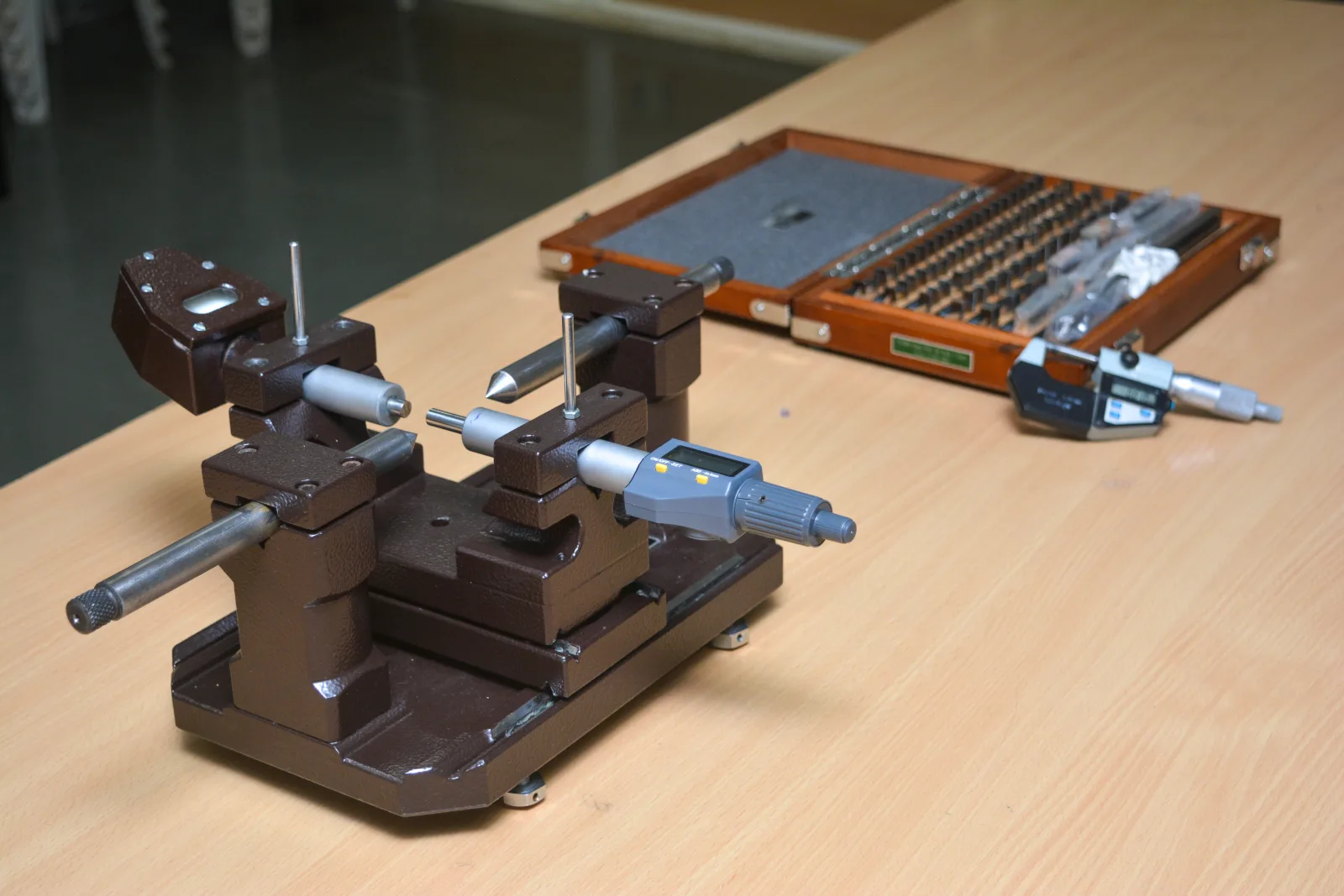
Mechanical Measurements & Metrology Laboratory
The Mechanical Measurements and Metrology Laboratory provides students with hands-on experience in precision measurement, inspection and calibration techniques. Experiments are conducted using instruments such as vernier calipers, micrometers, comparators, slip gauges, sine bars and profile projectors. Students learn to measure linear, angular, surface and geometric parameters and assess dimensional accuracy. The laboratory strengthens their understanding of measurement standards, quality control and industrial inspection practices.
Mechanical Measurements & Metrology Laboratory
The Mechanical Measurements and Metrology Laboratory provides students with hands-on experience in precision measurement, inspection and calibration techniques. Experiments are conducted using instruments such as vernier calipers, micrometers, comparators, slip gauges, sine bars and profile projectors. Students learn to measure linear, angular, surface and geometric parameters and assess dimensional accuracy. The laboratory strengthens their understanding of measurement standards, quality control and industrial inspection practices.
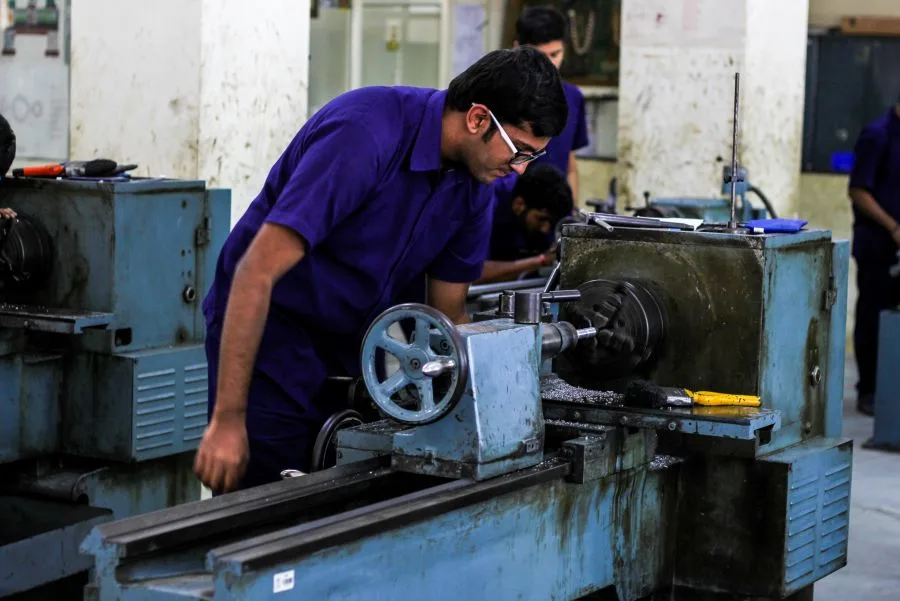
Manufacturing Process Laboratory
The Manufacturing Process Laboratory provides students with hands-on experience in conventional and CNC-based manufacturing processes. Students perform casting and forging operations, along with lathe operations such as step turning, thread cutting and eccentric turning. They also study CNC turning operations, including facing, plain turning and step turning through demonstrations. Experiments on milling and shaping machines cover indexing, gear cutting, face milling, grooving, V-groove cutting and dovetail machining, thereby strengthening practical manufacturing skills.
Manufacturing Process Laboratory
The Manufacturing Process Laboratory provides students with hands-on experience in conventional and CNC-based manufacturing processes. Students perform casting and forging operations, along with lathe operations such as step turning, thread cutting and eccentric turning. They also study CNC turning operations, including facing, plain turning and step turning through demonstrations. Experiments on milling and shaping machines cover indexing, gear cutting, face milling, grooving, V-groove cutting and dovetail machining, thereby strengthening practical manufacturing skills.
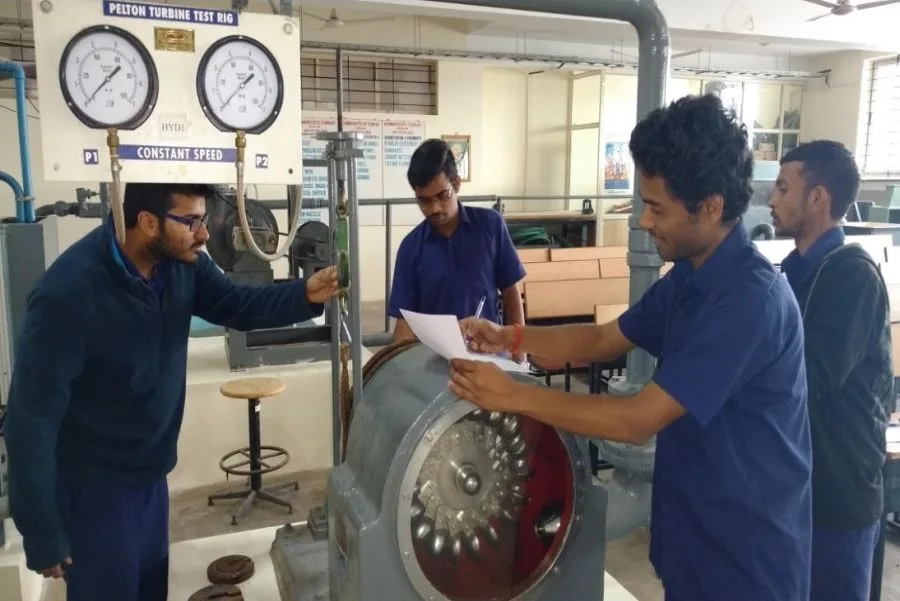
Turbo machinery Laboratory
The Turbo Machinery Laboratory provides students with practical exposure to the fundamental principles of fluid flow and hydraulic machines. Experiments are conducted using various flow-measuring devices to determine discharge, velocity and pressure characteristics. Students study the performance of different types of pumps and turbines under varying operating conditions. The laboratory strengthens their understanding of fluid mechanics concepts and the performance evaluation of hydraulic machinery.
Turbo machinery Laboratory
The Turbo Machinery Laboratory provides students with practical exposure to the fundamental principles of fluid flow and hydraulic machines. Experiments are conducted using various flow-measuring devices to determine discharge, velocity and pressure characteristics. Students study the performance of different types of pumps and turbines under varying operating conditions. The laboratory strengthens their understanding of fluid mechanics concepts and the performance evaluation of hydraulic machinery.
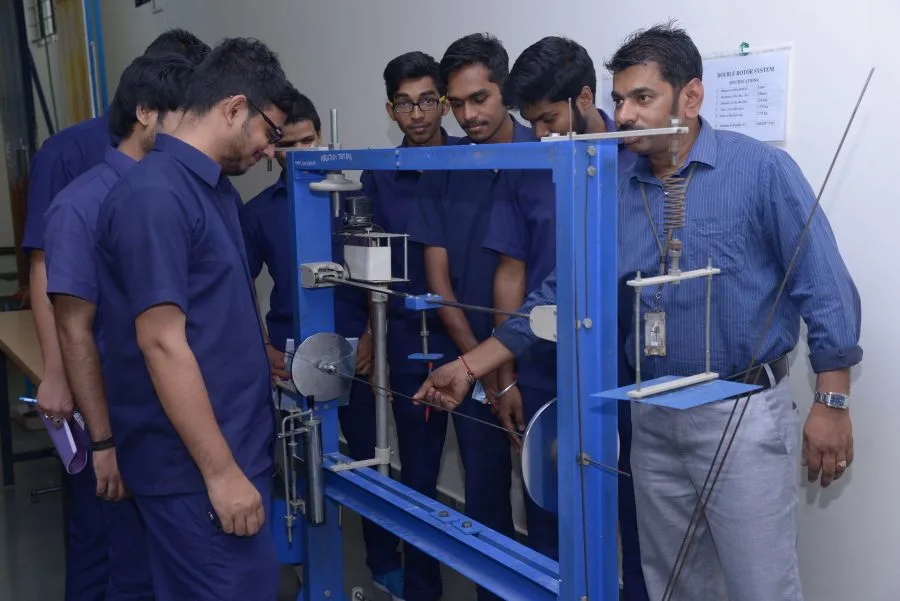
Design and Dynamics Laboratory
he Design and Dynamics Laboratory provides students with practical exposure to machine design principles and the dynamic behaviour of mechanical systems. Experiments are conducted on balancing of rotating and reciprocating masses, vibration analysis, governors, gyroscopes, flywheels and critical speed of shafts. Students study displacement, velocity, acceleration, forces and vibration characteristics under different operating conditions. The laboratory strengthens their understanding of machine dynamics, design validation and performance evaluation of mechanical components.
Design and Dynamics Laboratory
he Design and Dynamics Laboratory provides students with practical exposure to machine design principles and the dynamic behaviour of mechanical systems. Experiments are conducted on balancing of rotating and reciprocating masses, vibration analysis, governors, gyroscopes, flywheels and critical speed of shafts. Students study displacement, velocity, acceleration, forces and vibration characteristics under different operating conditions. The laboratory strengthens their understanding of machine dynamics, design validation and performance evaluation of mechanical components.
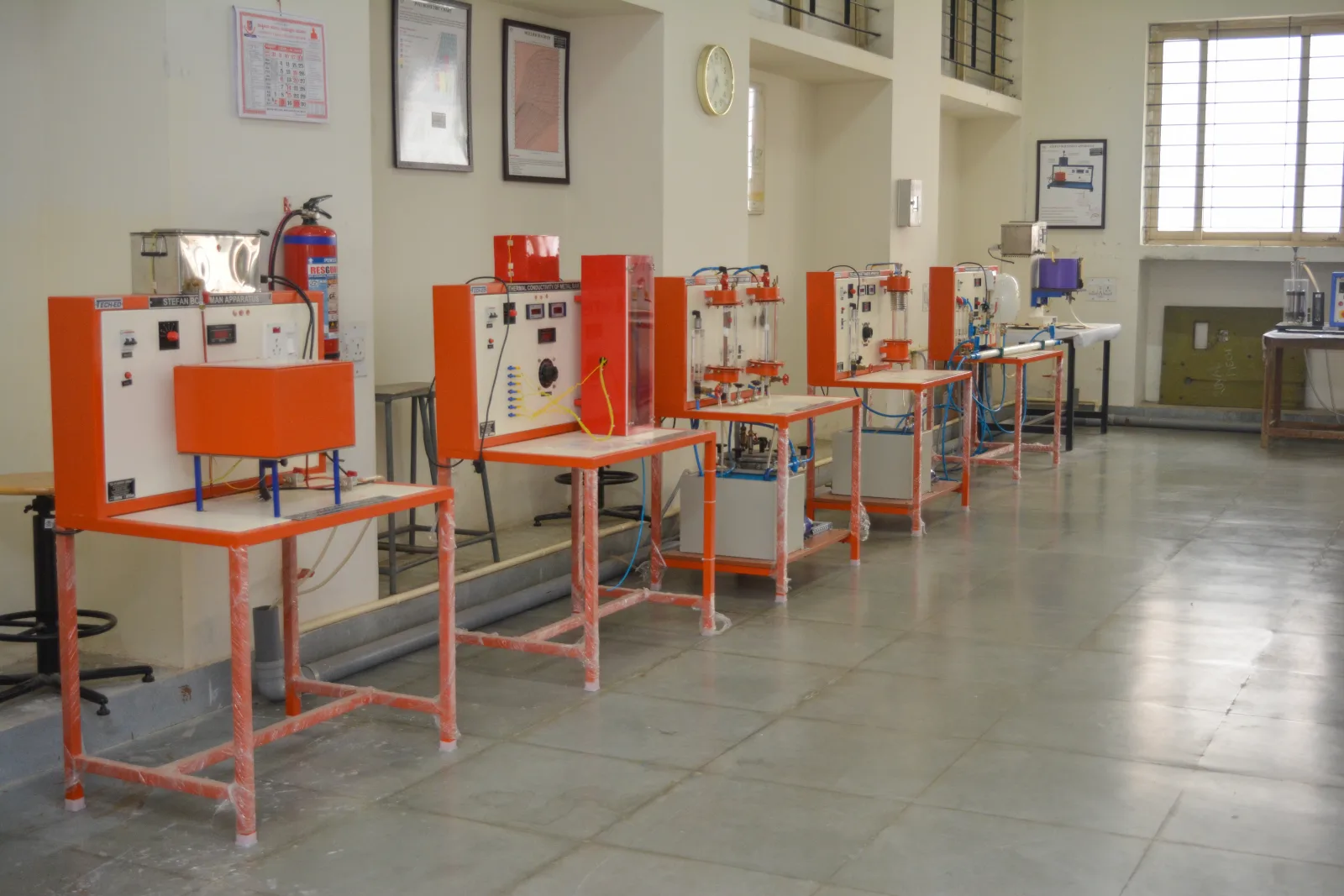
Heat Transfer Laboratory
The Heat Transfer Laboratory provides students with practical exposure to the fundamental modes of heat transfer—conduction, convection and radiation. Experiments are conducted to determine thermal conductivity, heat-transfer coefficients, fin performance and heat-exchanger effectiveness. Students also study boiling, condensation and radiation characteristics under different operating conditions. The laboratory strengthens their understanding of thermal analysis and the performance evaluation of heat-transfer equipment.
Heat Transfer Laboratory
The Heat Transfer Laboratory provides students with practical exposure to the fundamental modes of heat transfer—conduction, convection and radiation. Experiments are conducted to determine thermal conductivity, heat-transfer coefficients, fin performance and heat-exchanger effectiveness. Students also study boiling, condensation and radiation characteristics under different operating conditions. The laboratory strengthens their understanding of thermal analysis and the performance evaluation of heat-transfer equipment.
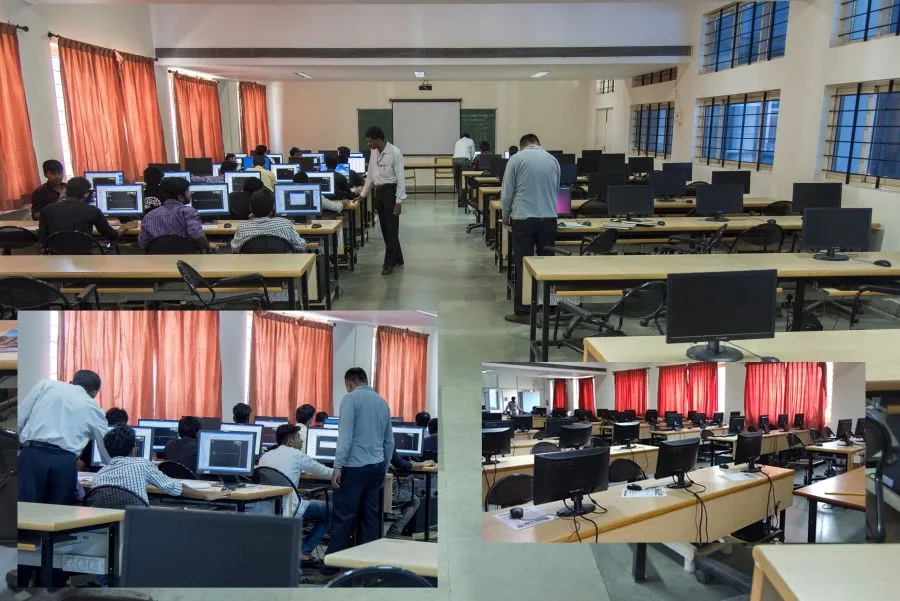
Finite Element Analysis Laboratory
The Finite Element Analysis Laboratory provides students with practical exposure to the numerical analysis of engineering components and systems using advanced simulation software. Students perform structural, thermal and vibration analyses to evaluate stress, deformation, temperature distribution and natural frequencies. They learn geometric modelling, material assignment, meshing, application of boundary conditions and interpretation of simulation results. The laboratory strengthens their understanding of computational mechanics, design validation and engineering problem-solving.
Finite Element Analysis Laboratory
The Finite Element Analysis Laboratory provides students with practical exposure to the numerical analysis of engineering components and systems using advanced simulation software. Students perform structural, thermal and vibration analyses to evaluate stress, deformation, temperature distribution and natural frequencies. They learn geometric modelling, material assignment, meshing, application of boundary conditions and interpretation of simulation results. The laboratory strengthens their understanding of computational mechanics, design validation and engineering problem-solving.
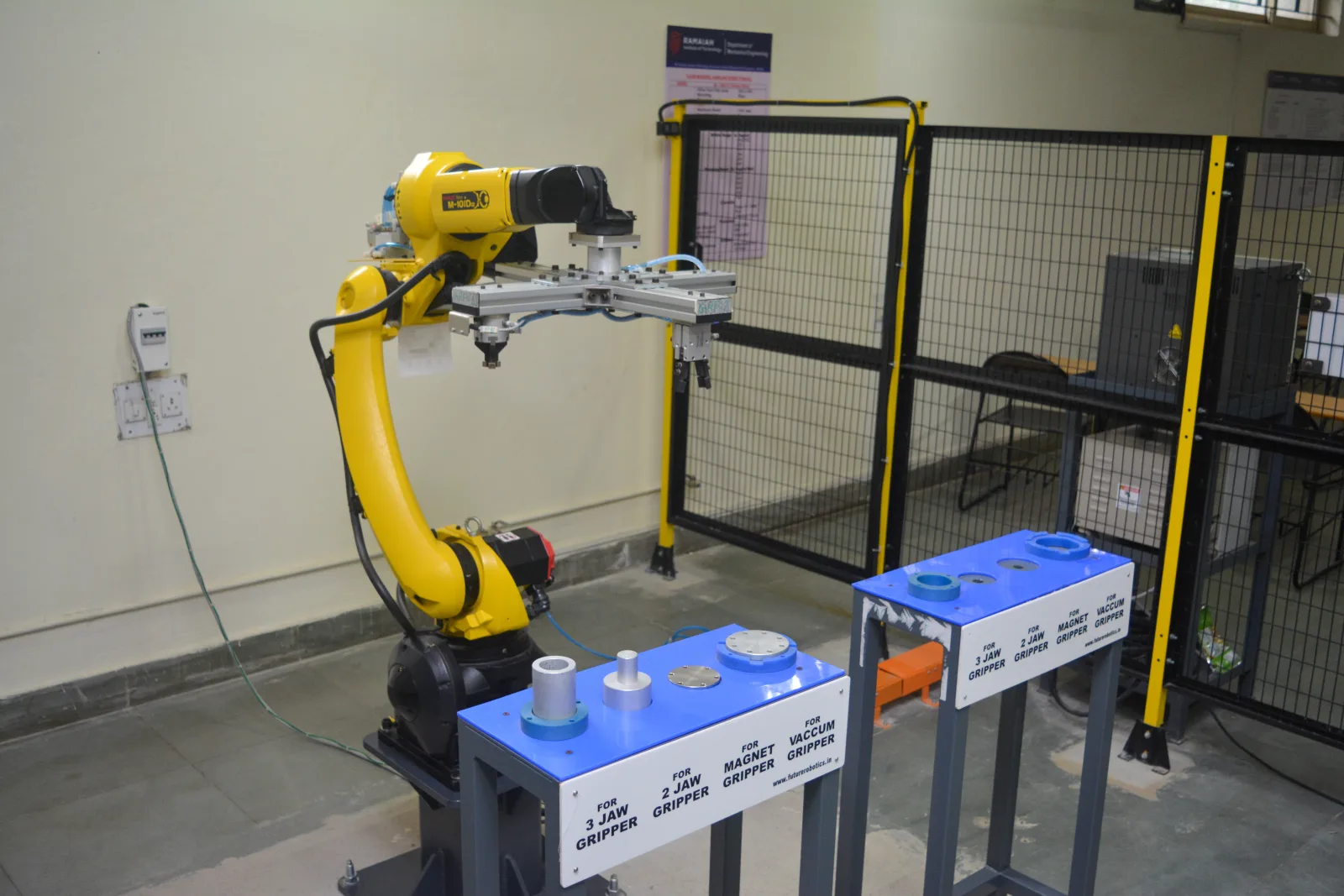
Robotics and Simulation Laboratory
The Robotics and Simulation Laboratory provides students with hands-on experience in robotic systems, programming, modelling and simulation. Students study robotic configurations, coordinate systems, kinematics, trajectory planning and end-effector operations. Experiments include robot programming, pick-and-place operations and simulation of industrial automation tasks using relevant software. The laboratory strengthens their understanding of robotics, automation and the integration of intelligent systems in modern manufacturing.
Robotics and Simulation Laboratory
The Robotics and Simulation Laboratory provides students with hands-on experience in robotic systems, programming, modelling and simulation. Students study robotic configurations, coordinate systems, kinematics, trajectory planning and end-effector operations. Experiments include robot programming, pick-and-place operations and simulation of industrial automation tasks using relevant software. The laboratory strengthens their understanding of robotics, automation and the integration of intelligent systems in modern manufacturing.
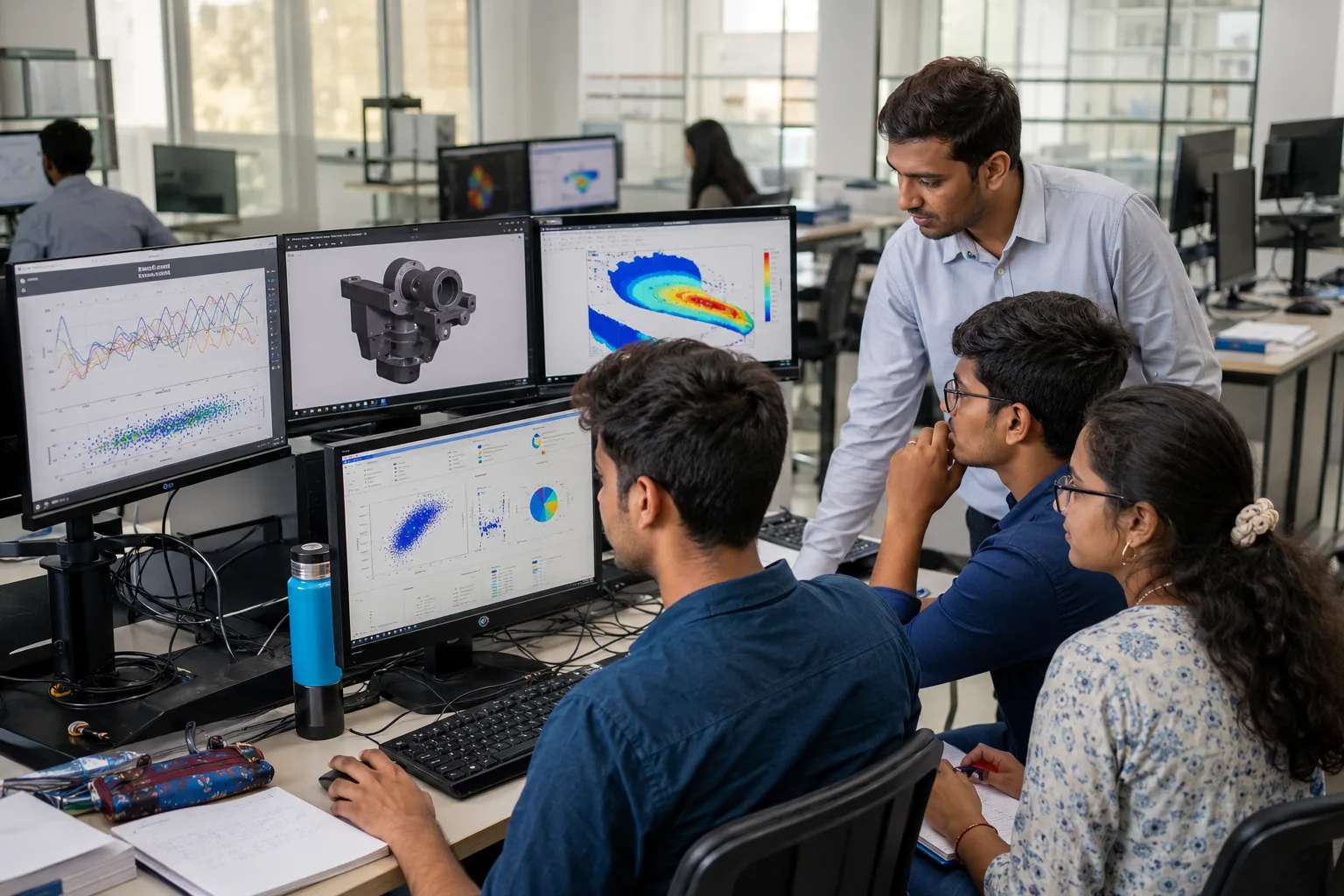
Data Analytics and Modelling Laboratory
The Data Analytics and Modelling Laboratory provides students with practical exposure to data processing, statistical analysis and computational modelling techniques. Students learn to collect, clean, visualise and interpret engineering data using modern software tools. Experiments include regression, predictive modelling, optimisation and performance analysis of engineering systems. The laboratory strengthens their analytical, programming and data-driven problem-solving skills for engineering applications
Data Analytics and Modelling Laboratory
The Data Analytics and Modelling Laboratory provides students with practical exposure to data processing, statistical analysis and computational modelling techniques. Students learn to collect, clean, visualise and interpret engineering data using modern software tools. Experiments include regression, predictive modelling, optimisation and performance analysis of engineering systems. The laboratory strengthens their analytical, programming and data-driven problem-solving skills for engineering applications
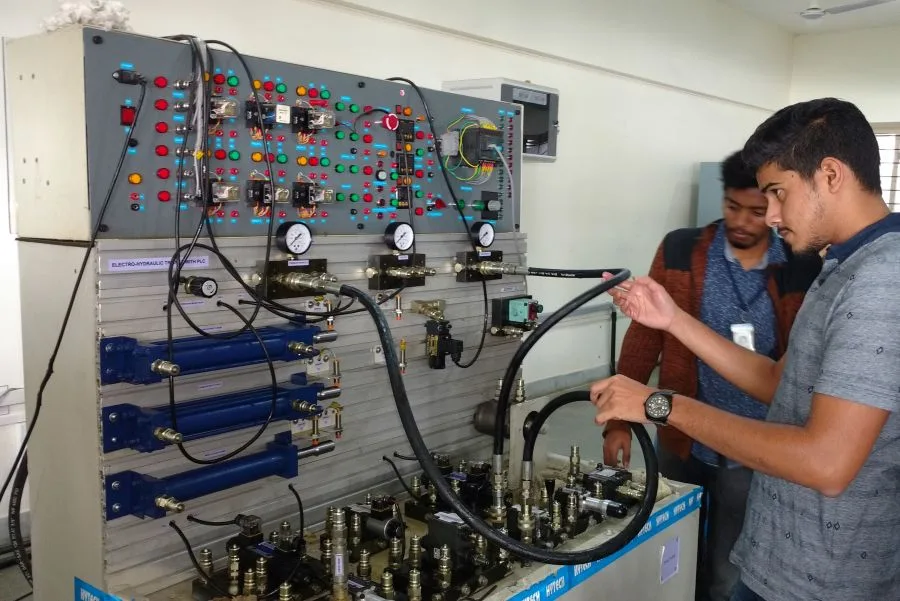
CAD/CAM Laboratory
The CAD/CAM Laboratory provides students with hands-on experience in computer-aided design, modelling and manufacturing. Students create 2D drawings, 3D models, assemblies and manufacturing simulations using modern CAD/CAM software. They learn CNC part programming, tool-path generation and machining-process planning for engineering components. The laboratory strengthens their skills in product design, manufacturing automation and computer-integrated engineering.
CAD/CAM Laboratory
The CAD/CAM Laboratory provides students with hands-on experience in computer-aided design, modelling and manufacturing. Students create 2D drawings, 3D models, assemblies and manufacturing simulations using modern CAD/CAM software. They learn CNC part programming, tool-path generation and machining-process planning for engineering components. The laboratory strengthens their skills in product design, manufacturing automation and computer-integrated engineering.
Other Facilities
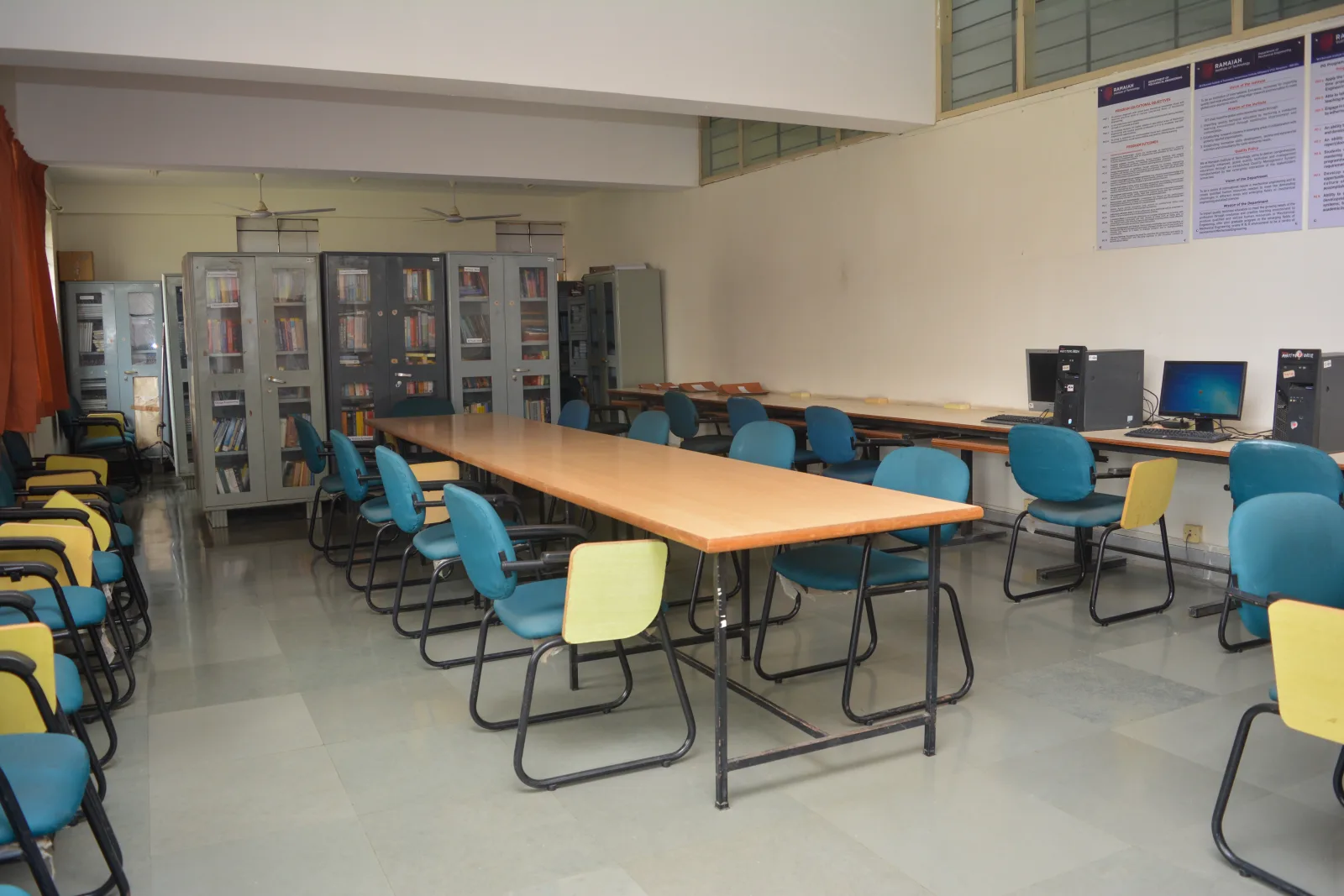
Department Library
The Department Library provides faculty members and students with convenient access to textbooks, reference books, technical manuals, journals, project reports and other academic resources related to Mechanical Engineering. It supports teaching, learning, research and project activities by offering subject-specific materials within the department. The facility encourages independent learning, knowledge enhancement and continuous academic development.
Department Library
The Department Library provides faculty members and students with convenient access to textbooks, reference books, technical manuals, journals, project reports and other academic resources related to Mechanical Engineering. It supports teaching, learning, research and project activities by offering subject-specific materials within the department. The facility encourages independent learning, knowledge enhancement and continuous academic development.
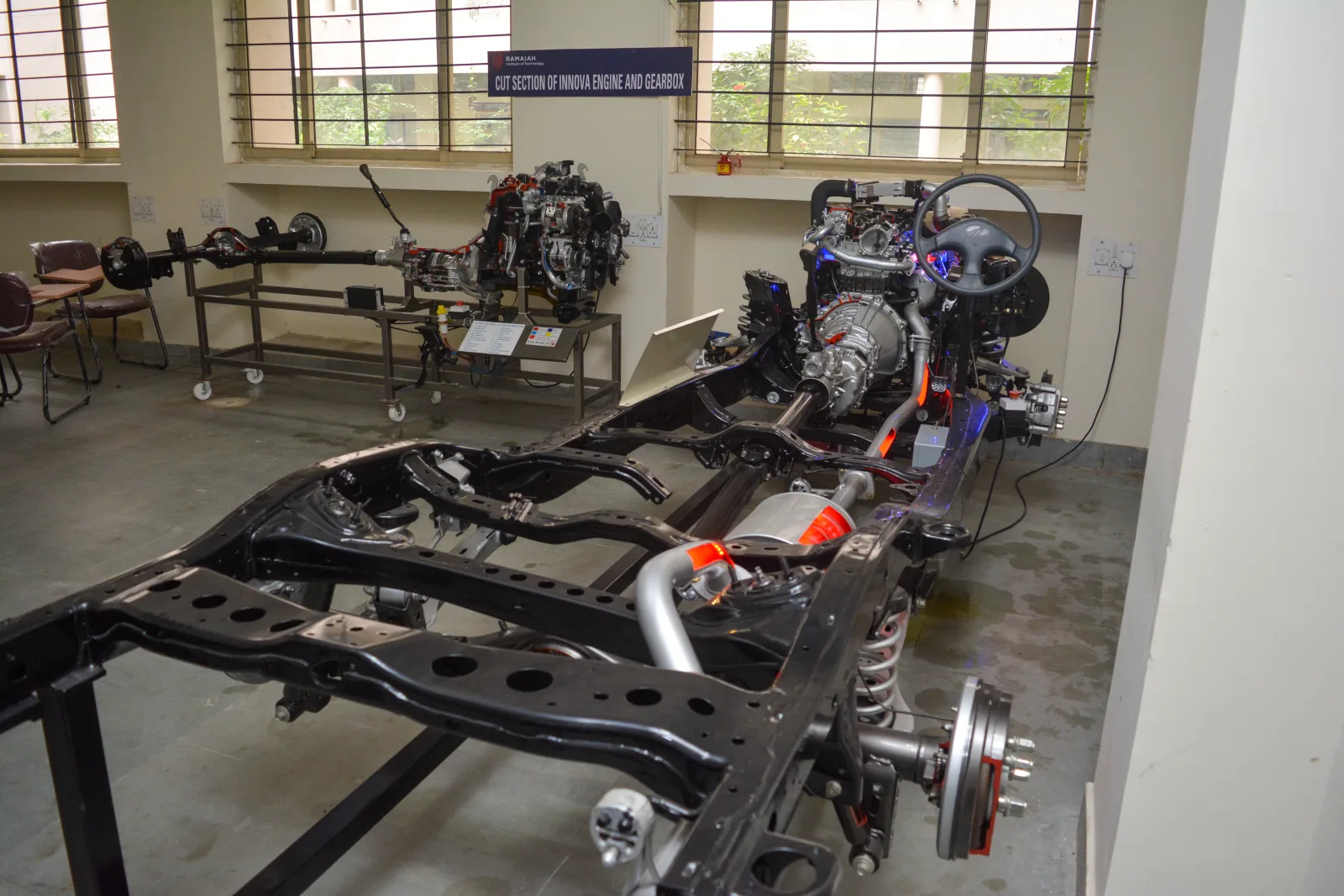
Toyota Industry-Supported Engine Laboratory
The Toyota Industry-Supported Engine Laboratory provides students with practical exposure to modern automotive engine systems and technologies. The laboratory is equipped with engine models, cut-section components and training facilities supported by Toyota. Students study engine construction, working principles, fuel systems, transmission components and maintenance practices. The facility strengthens industry-oriented learning and enhances students’ practical understanding of automotive engineering.
Toyota Industry-Supported Engine Laboratory
The Toyota Industry-Supported Engine Laboratory provides students with practical exposure to modern automotive engine systems and technologies. The laboratory is equipped with engine models, cut-section components and training facilities supported by Toyota. Students study engine construction, working principles, fuel systems, transmission components and maintenance practices. The facility strengthens industry-oriented learning and enhances students’ practical understanding of automotive engineering.
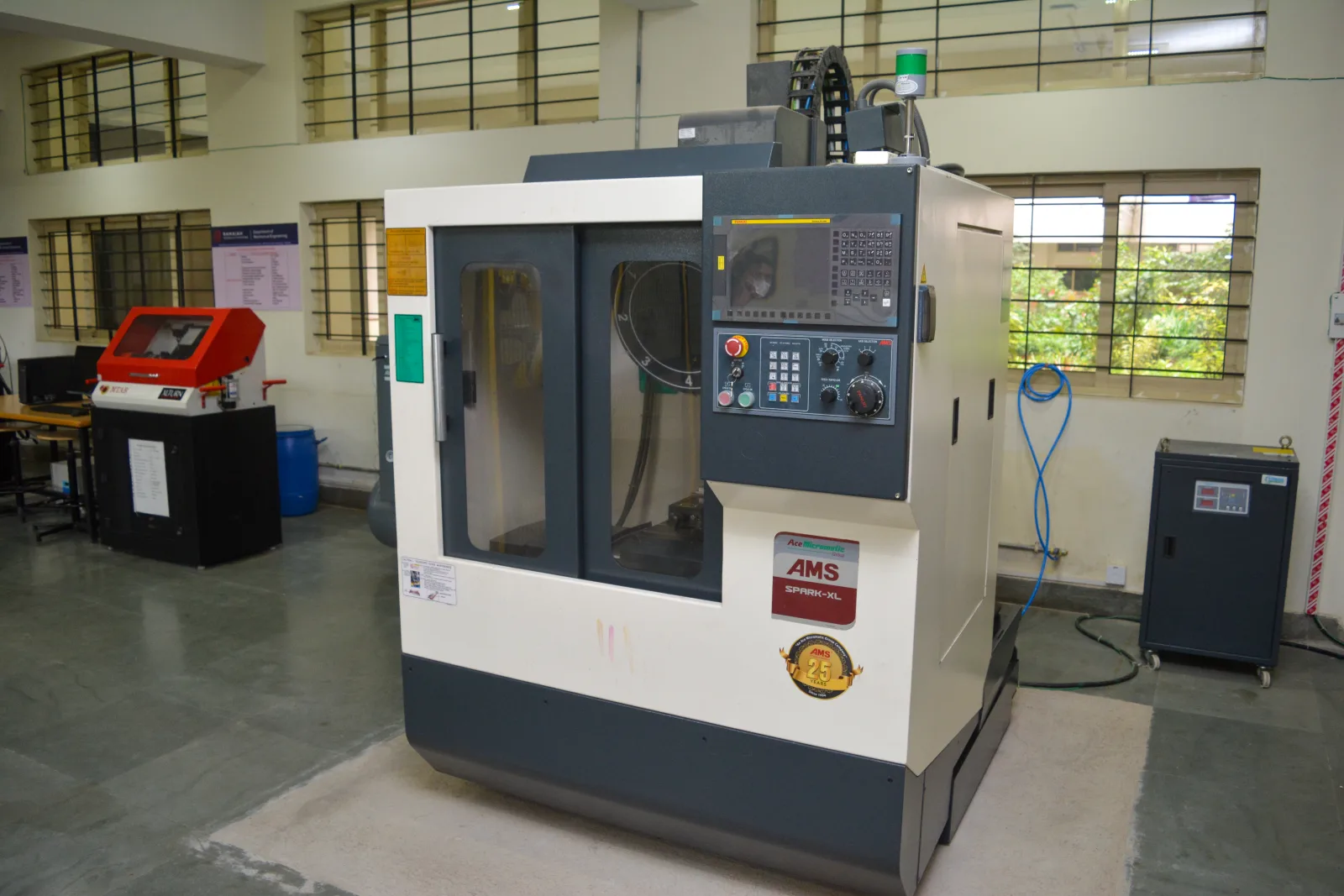
Vertical Milling and CNC Machine Facility
The Vertical Milling and CNC Machine Facility provides students with practical exposure to conventional and computer-controlled machining operations. Students perform milling operations such as face milling, slotting, grooving and profile machining on various engineering materials. The CNC facility enables them to learn part programming, tool-path generation, machine setup and precision component manufacturing. The facility strengthens their understanding of modern production techniques, machining accuracy and industrial manufacturing practices.
Vertical Milling and CNC Machine Facility
The Vertical Milling and CNC Machine Facility provides students with practical exposure to conventional and computer-controlled machining operations. Students perform milling operations such as face milling, slotting, grooving and profile machining on various engineering materials. The CNC facility enables them to learn part programming, tool-path generation, machine setup and precision component manufacturing. The facility strengthens their understanding of modern production techniques, machining accuracy and industrial manufacturing practices.
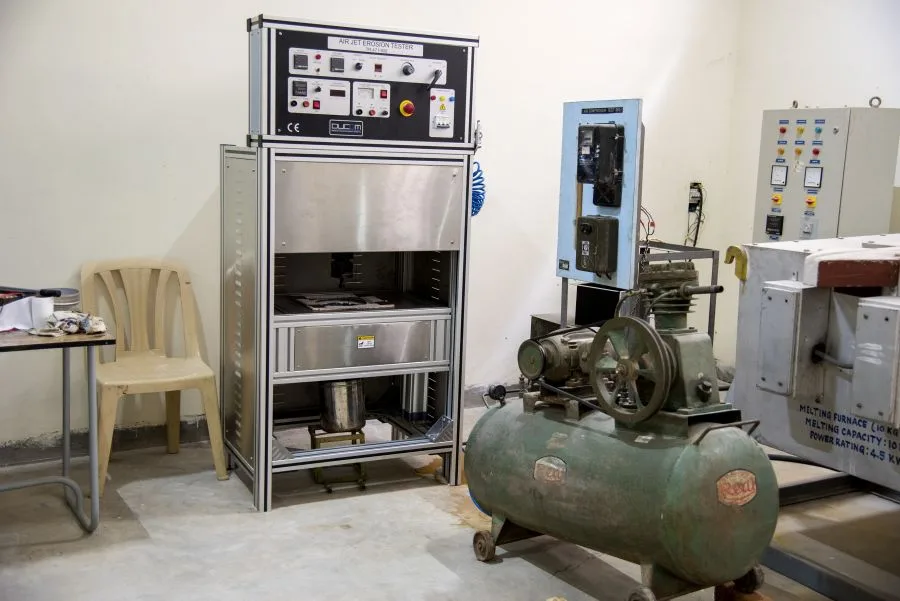
The Research and Development (R&D) Laboratories
The Research and Development (R&D) Laboratories support faculty members, research scholars and students in carrying out advanced research, innovation, and project activities. These laboratories provide facilities for experimentation, prototype development, numerical simulation, and performance evaluation in various areas of mechanical engineering. They promote interdisciplinary research, industry collaboration, quality publications, and the development of innovative engineering solutions.
The Research and Development (R&D) Laboratories
The Research and Development (R&D) Laboratories support faculty members, research scholars and students in carrying out advanced research, innovation, and project activities. These laboratories provide facilities for experimentation, prototype development, numerical simulation, and performance evaluation in various areas of mechanical engineering. They promote interdisciplinary research, industry collaboration, quality publications, and the development of innovative engineering solutions.
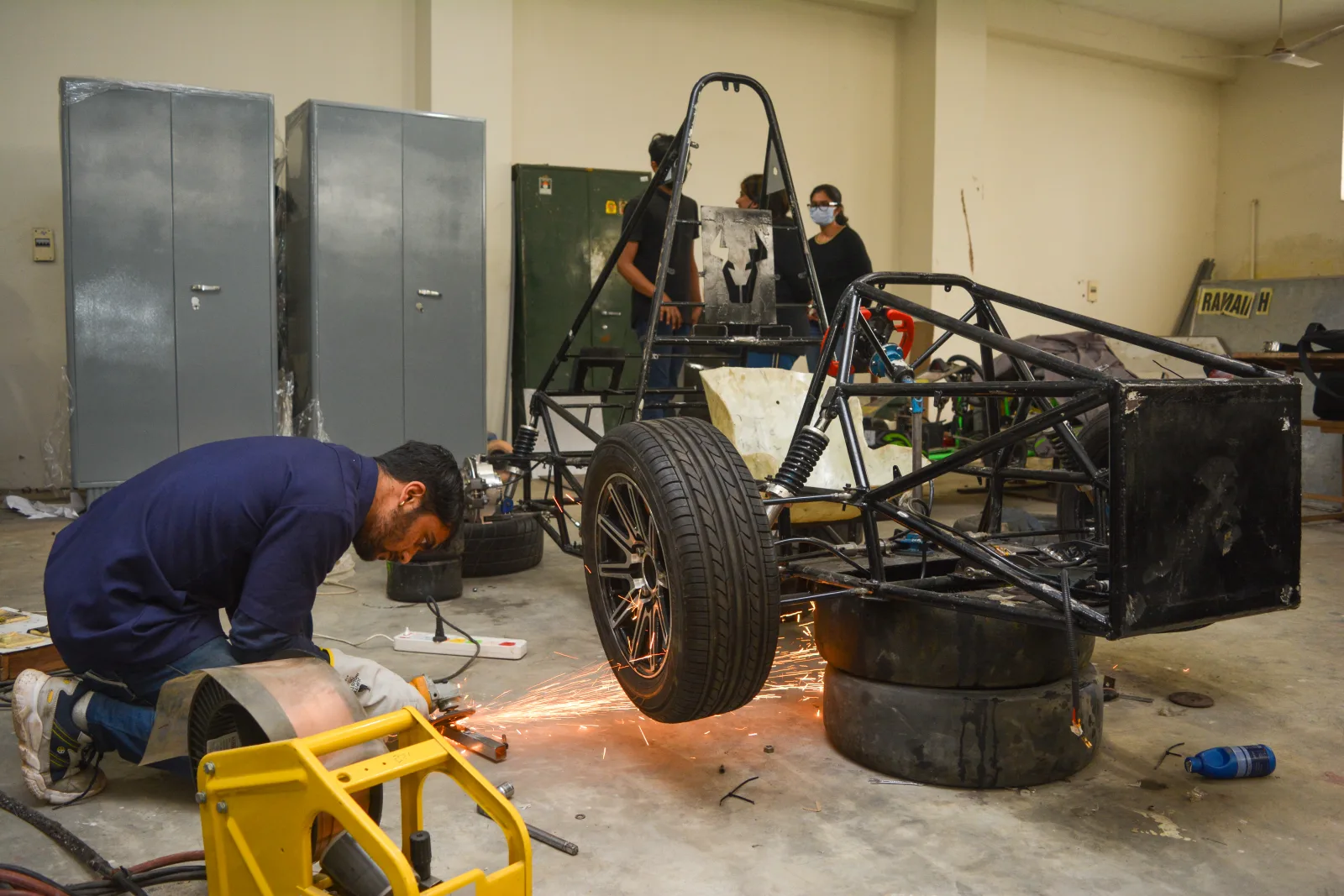
Student Project Laboratory
The Student Project Laboratory provides a dedicated space for students to design, fabricate and test innovative engineering projects. Students apply theoretical knowledge to develop working prototypes, including automobiles, robots, and other mechanical systems. The facility promotes teamwork, creativity, problem-solving, and practical manufacturing skills. It also supports participation in technical competitions, project exhibitions, and industry-oriented activities.
Student Project Laboratory
The Student Project Laboratory provides a dedicated space for students to design, fabricate and test innovative engineering projects. Students apply theoretical knowledge to develop working prototypes, including automobiles, robots, and other mechanical systems. The facility promotes teamwork, creativity, problem-solving, and practical manufacturing skills. It also supports participation in technical competitions, project exhibitions, and industry-oriented activities.
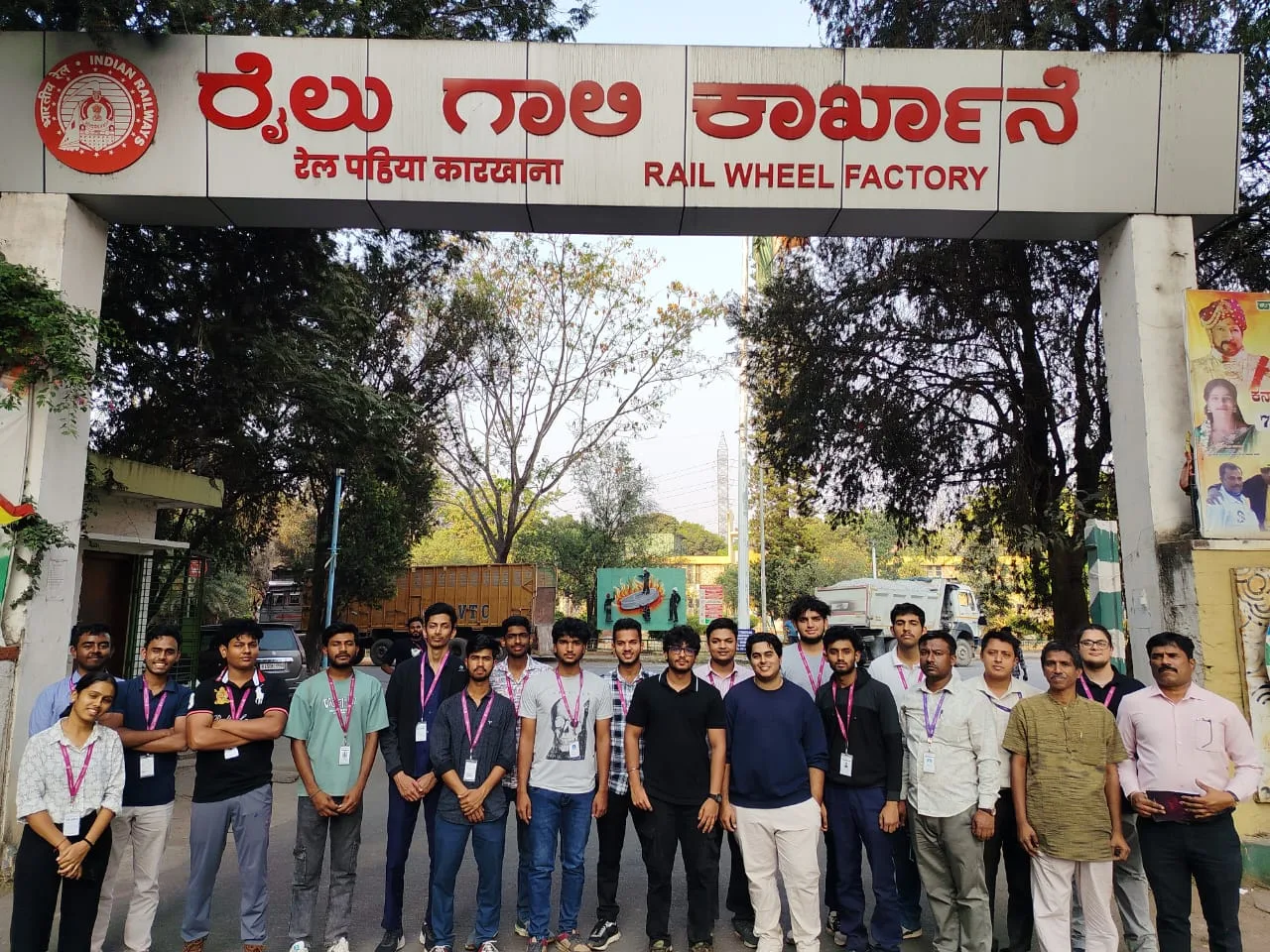
SME- Society of Mechanical Engineers
The Society of Mechanical Engineers (SME) provides a platform for students to develop their technical, professional and leadership skills beyond the classroom. The society organises workshops, guest lectures, industrial visits, competitions and other technical and cultural activities. It encourages teamwork, innovation and interaction among students, faculty members and industry experts. SME contributes to the overall development of students and promotes active participation in departmental activities.
SME- Society of Mechanical Engineers
The Society of Mechanical Engineers (SME) provides a platform for students to develop their technical, professional and leadership skills beyond the classroom. The society organises workshops, guest lectures, industrial visits, competitions and other technical and cultural activities. It encourages teamwork, innovation and interaction among students, faculty members and industry experts. SME contributes to the overall development of students and promotes active participation in departmental activities.
Top Recruiters & Industry Collaboration
Top Recruiters







Industry Partners / Collaborations
FANUC
The Department of Mechanical Engineering collaborates with FANUC India to strengthen education and practical training in industrial automation and robotics. FANUC-supported facilities provide students with hands-on exposure to robot programming, simulation, material handling and automated manufacturing applications. This collaboration enhances students’ industry readiness and understanding of modern smart-manufacturing technologies.
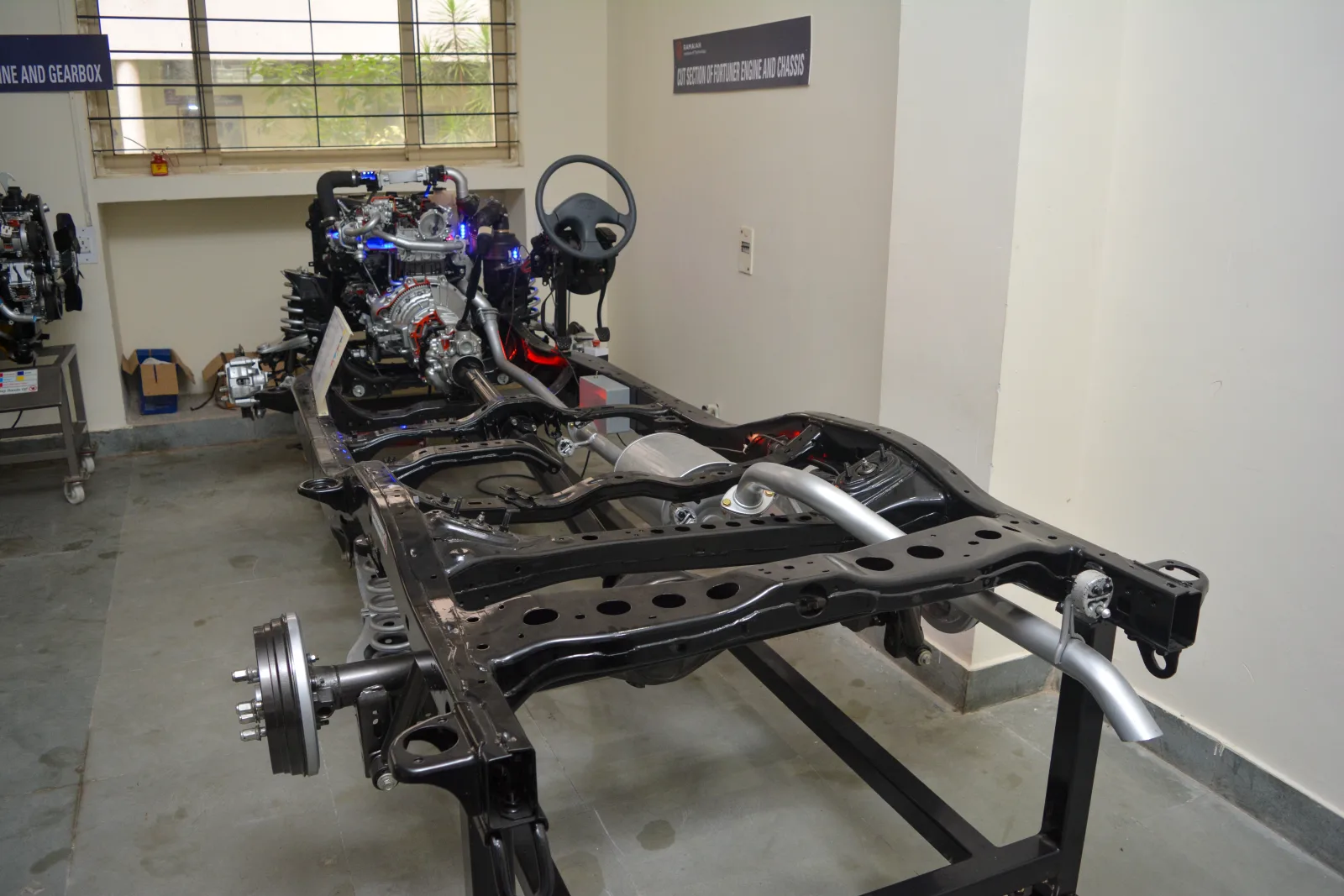
Toyota Kirloskar -Bidadi Bangalore
The Department of Mechanical Engineering has established an MoU with Toyota Kirloskar Motor, Bidadi, Bengaluru, to strengthen industry–academia collaboration and enhance experiential learning. Toyota has supported the department by providing cut-section models of automotive engines and related components for practical demonstrations. This collaboration enables students to gain valuable insights into modern engine construction, working principles and automotive technologies.
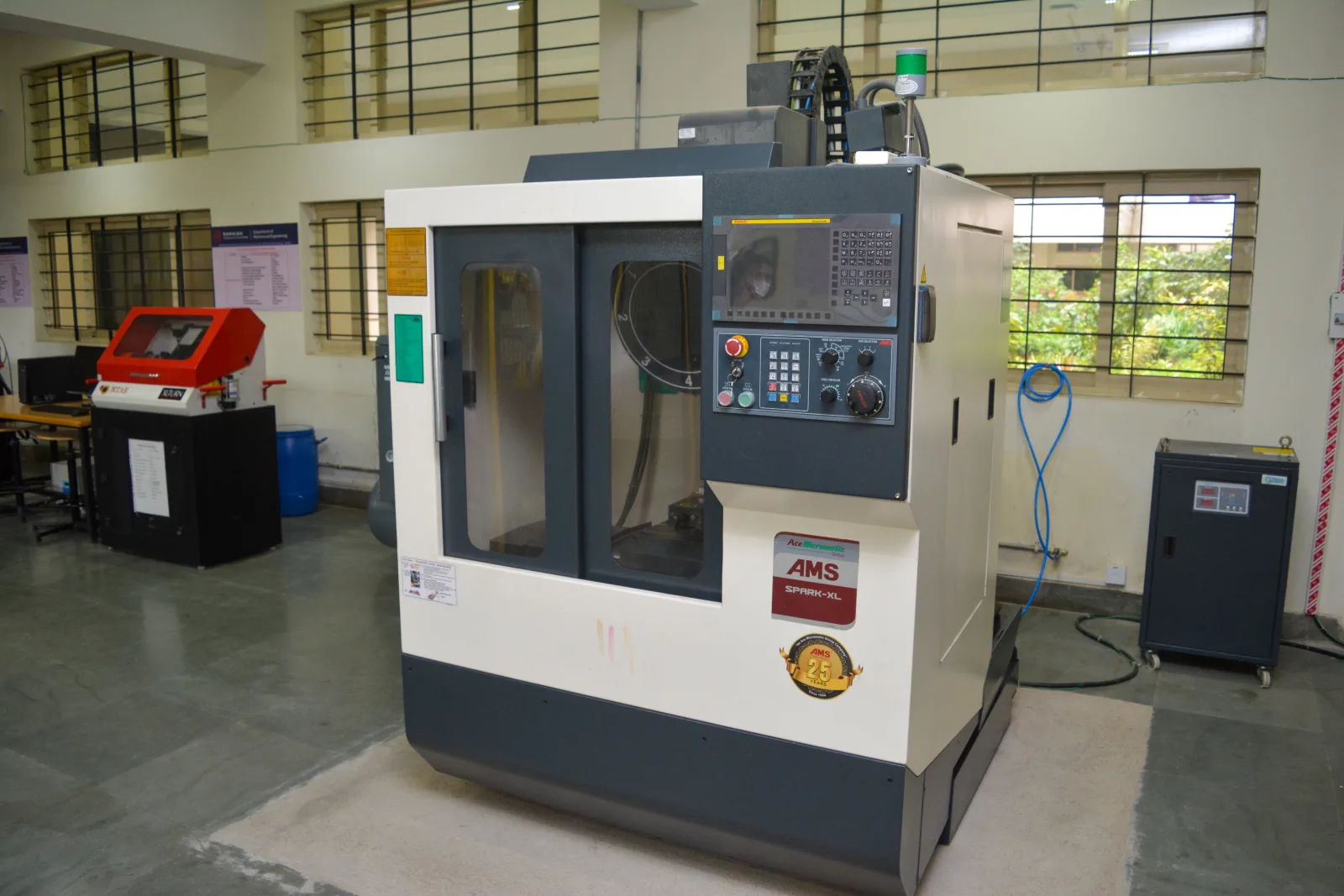
ACE Designers
The Department of Mechanical Engineering collaborates with ACE Designers Limited to strengthen practical training in advanced manufacturing. The company has supported the development and customisation of machine tools, including a vertical milling machine and CNC machine, to meet the department’s academic and training requirements. These facilities provide students with valuable hands-on exposure to conventional and computer-controlled machining operations.
Solid Works
The Department of Mechanical Engineering collaborates with Dassault Systèmes – SOLIDWORKS to strengthen education and practical training in computer-aided design and engineering drawing. Students use SOLIDWORKS software in the Computer-Aided Machine Drawing course to create 3D part models, assemblies and detailed engineering drawings. This collaboration enhances students’ design, visualisation and industry-relevant CAD skills.

University of Illinois Urbana-Champaign (UIUC), USA
The department has established a three-year international academic collaboration with UIUC, USA. This association promotes knowledge exchange and collaborative academic and research activities.
Central Manufacturing Technology Institute (CMTI), Bengaluru
Three-year research collaboration with CMTI, Bengaluru. The collaboration facilitates faculty interaction and knowledge sharing in advanced manufacturing and related engineering areas.

Trinity NDT, Bengaluru
The department has established a five-year collaboration with Trinity NDT, Bengaluru. This collaboration provides internship opportunities and practical exposure to non-destructive testing and industrial inspection techniques.

Wisdomatic Swarms LLP
The department has entered into a three-year MoU with Wisdomatic Swarms LLP. The collaboration supports student training and provides practical exposure to emerging engineering technologies.
Placements
2026 Batch: 75% placed
Average package: ₹6.5 LPA
Highest package: ₹24 LPA
Core & IT sector placements
Research Areas
* Design, Dynamics & Computational Mechanics
* Thermal Engineering, Fluid Sciences & Nanofluids
* Advanced Manufacturing, CAD/CAM & Additive Manufacturing
* Nanomaterials, Polymers & Advanced Materials
* Composites, Biocomposites & Sustainable Materials
* Robotics, Automation & Artificial Intelligence
* Renewable Energy & Sustainable Engineering
Publications
Journal Articles
-
1.
Novel Utilization of Biomass-Derived Carbon with Activation for Efficient Electrode Performance in Supercapacitors
K. R. V. Subramanian et al. · Ionics, Springer · 2026
-
2.
Interfacial Charge-Storage Synergy in Erbium-Oxide/MXene Hybrids for Advanced Energy Storage
K. R. V. Subramanian et al. · Next Materials, Elsevier, Vol. 12 · 2026
-
3.
Numerical and Experimental Analysis of Laminar-Flow Heat Transfer in a Circular Tube Using Metallic Inserts
P. B. Nagaraj et al · Heat and Mass Transfer, Springer Nature, Vol. 62, Article 97 · 2026
-
4.
Sustainable Prediction of Tool Life in Metal-Cutting Processes Using Empirical and Mathematical Modelling Approaches
P. B. Nagaraj et al · Advances in Materials Science and Engineering, Wiley · 2026
-
5.
Automated Quality Inspection and Counting Systems for Pharmaceutical Vials: A Technology Review and Future Directions
Sunith Babu L. et al · IEEE Xplore · 2026
-
6.
Heat Exposure and Its Implications on the Low-Velocity Impact Characteristics of GFRP Laminates
Sunith Babu L et al. · Archives of Metallurgy and Materials · 2026
-
7.
Investigation of the Tensile Strength and Wear Characteristics of Industrial-Waste Cenosphere-Reinforced Al7075 Alloy Using the Taguchi Method
T. Anil Kumar et al · Journal of Materials Science: Materials in Engineering, Springer · 2026
-
8.
Effect of Different Cooling Conditions on Grain Refinement and Mechanical Properties of Low-Carbon Steel: A Comprehensive Evaluation
C. Siddaraju et al. · Journal of The Institution of Engineers (India): Series D, Springer, Vol. 107, Issue 1 · 2026
-
9.
Effect of Graphene Addition on the Tensile, Flexural and Hardness Behaviour of GFRP Composites
Nagesh S. N. et al. · PLOS ONE Vol. 21, Issue 1 · 2026
-
10.
Application of Shot Blasting on Bronze Alloy to Enhance Surface Integrity
Nagesh S. N. et al. · Springer Proceedings in Materials, Vol. 88, Springer · 2026
-
11.
Synthesis, Microstructural Analysis and Wear Optimisation of Al6061–Si₃N₄ Composites via Stir Casting for Automotive and Aerospace Applications
Vishwanath Koti et al · Scientific Reports, Nature, Vol. 16 · 2026
-
12.
Microstructure Characterisation and Evaluation of Mechanical Properties of Al5083–Boron Nitride Composites at Low and High Stirring Times
Vishwanath Koti et al · Journal of The Institution of Engineers (India): Series D, Springer Nature · 2026
-
13.
Open-Hole Tensile Behaviour, Notch Sensitivity and Failure Analysis of 3D-Printed Onyx–Continuous Carbon-Fibre-Reinforced Composites
JayaChristiyan K. G. et al · Next Materials, Elsevier, Vol. 13 · 2026
-
14.
Design and Analysis of an Automobile Helical Suspension Spring with Variable Cross-Section
Aruna Kumara P. C. et al · International Journal of Vehicle Structures and Systems, Vol. 18, Issue 1 · 2026
-
15.
Investigation of Thermal-Conductivity Enhancement in Al6061 Alloy Through Controlled Titanium Incorporation: Microstructural Correlation and Thermal–Mechanical Synergy
Rajeesh S. et al. · Metals, MDPI, Vol. 16, Article 727 · 2026
-
16.
Evaluation of Bond Performance of CFRP–GFRP Composite Lap Joints Using Single- and Dual-Adhesive Configurations
Mahantesh S. Matur et al · Applications in Engineering Science, Elsevier, · 2026
-
17.
Mechanical and Tribological Performance of Red-Mud-Reinforced Al7075 Structural Composites: A DOE- and Machine-Learning-Based Machining Study
K. Lokesha et al · Canadian Metallurgical Quarterly, Taylor & Francis, · 2026
-
18.
Effect of Nickel Addition on the Coefficient of Thermal Expansion and Microstructural Characteristics of AA2024 and AA7175 Aluminium Alloys in As-Cast and Homogenised States
Rajendra P. et al. · Mechanics of Advanced Composite Structures, Vol. 13, Issue 1, · 2026
-
19.
Effect of Reinforcement Surface Modification on the Microstructure, Mechanical Properties and Tensile Fractography of Al2219–B₄C Composites
Naveen Kumar B. K. et al. · Mechanics of Advanced Composite Structures, Vol. 13, pp. 197–210, · 2026
-
20.
Influence of Varying Stirring Speeds on the Mechanical Characteristics of Aluminium Alloy–Aluminium Nitride Composites
Pradeep Kumar K. V. et al. · Journal of The Institution of Engineers (India): Series D, Springer · 2026
Book Chapters
-
1.
Fabrication Methods of functionally Graded Materials- a Review
Jyothilakshmi R et al. · Advances in Mechanical Engineering and Material Sciences, 1st Edition, CRC Press · 2026
-
2.
An Investigative study on synthesisand Medical Applications of Wound healing Biomaterials- A Review
Jyothilakshmi R et al. · Advances in Mechanical Engineering and Material Sciences, 1st Edition, CRC Press · 2026
Achievements
- The department’s 64-year legacy, over 12,000 alumni, 80% doctorate-qualified faculty, more than 30 university-level books authored and international championship achievements reflect its sustained excellence in education, research and innovation.
- The B.E. Mechanical Engineering programme has maintained continuous NBA accreditation across three cycles: 2017–2021, 2021–2024 and 2024–2027, reflecting its sustained academic quality and outcome-based education.
- The department has secured a total of ₹2,05,96,390, comprising ₹1,89,82,000 from six funded projects(from the agencies such as AICTE, DST, VTU, VGST, SERB, DRDO, IIT-Indore and KSCST), ₹15,38,390 through consultancy projects and ₹76,000 through student innovation grants.
- Faculty members have filed 39 patents between the academic years 2020–21 and 2024–25, including 14 patents during 2024–25, demonstrating the department’s growing culture of research and innovation.
- Team from the Department of Mechanical Engineering, emerged as the Winner of the 9th Edition of L&T Techgium, securing a cash prize of ₹10,00,000.
- Team Edhitha: Secured 4th place overall and a USD 1,000 cash prize at the 2025 Student Unmanned Aerial Systems (SUAS) Competition held in Maryland, USA.
- Team Velocita Racing from the department Secured 2nd place overall in the Combustion Category at Formula Bharat 2025, with outstanding performances across multiple events.
- Team Volante: Emerged as the Overall Champion of DKDC Season 2 by excelling in both static and dynamic events 2025.
- Team Stier Racing: Achieved 7th place overall among 40 teams at Formula Bharat 2025 after successfully clearing all technical inspections.
- Team Quatlas: Secured 9th place internationally and 2nd place in the Technical Written Design Report at SAE Aero Design West, USA, 2022.
Department Clubs
Click a club to view its details, milestones, and team.
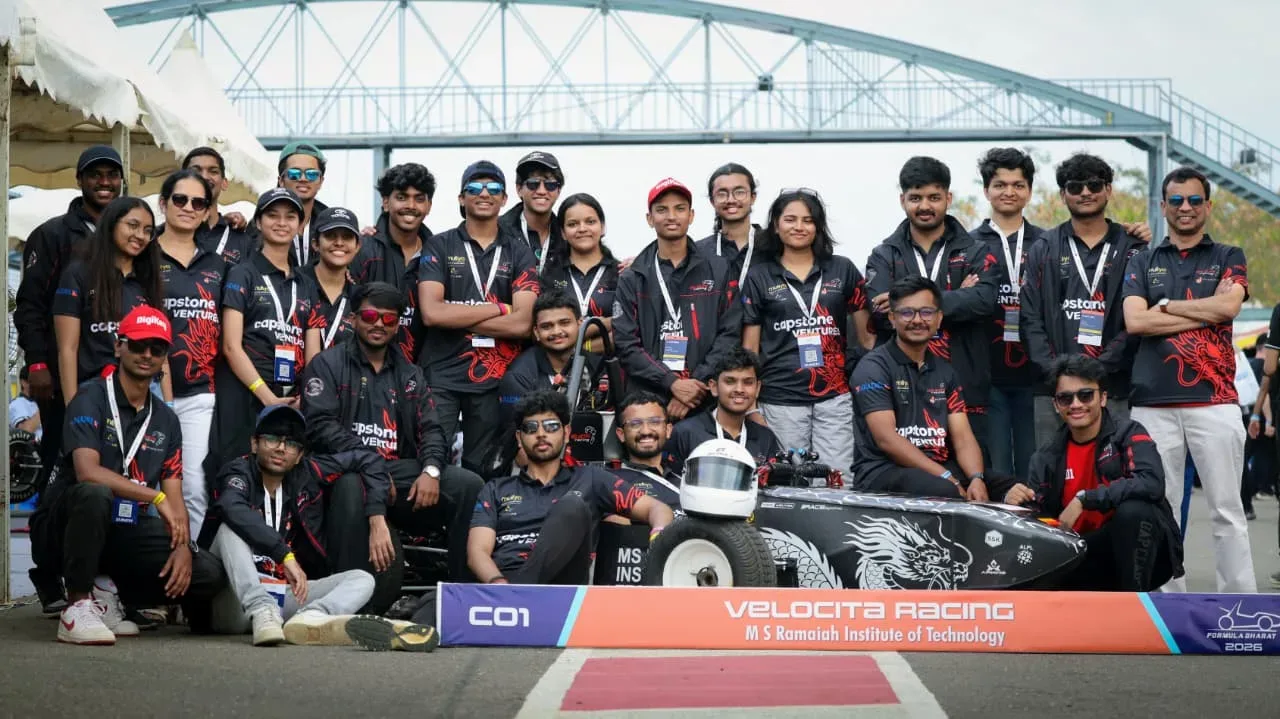
Automotive Club- Team Velocita
Team Velocita Racing from department of Mechanical engineering is a multidisciplinary student team that designs, develops and competes with a combustion-powered Formula-style vehicle in the annual Formula Bharat competition. The initiative provides students with valuable hands-on experience in vehicle design, manufacturing, testing, technical documentation, teamwork and project management.Formula Bharat 2025 marked the team’s sixth and most successful season. Velocita Racing became the first team to clear all technical inspections, including mechanical, tilt, noise and brake tests. The team secured 2nd place in Engineering Design, achieved 1st place in Acceleration, Skidpad and Autocross, and finished 2nd overall in the Combustion Vehicle category. The team also won the prestigious Altair Simulation Challenge, reflecting its engineering excellence, innovation and commitment to motorsport technology.Faculty Mentor : Dr. Rajesh S, Assistant Professor . Dept. of Mechanical Engineering
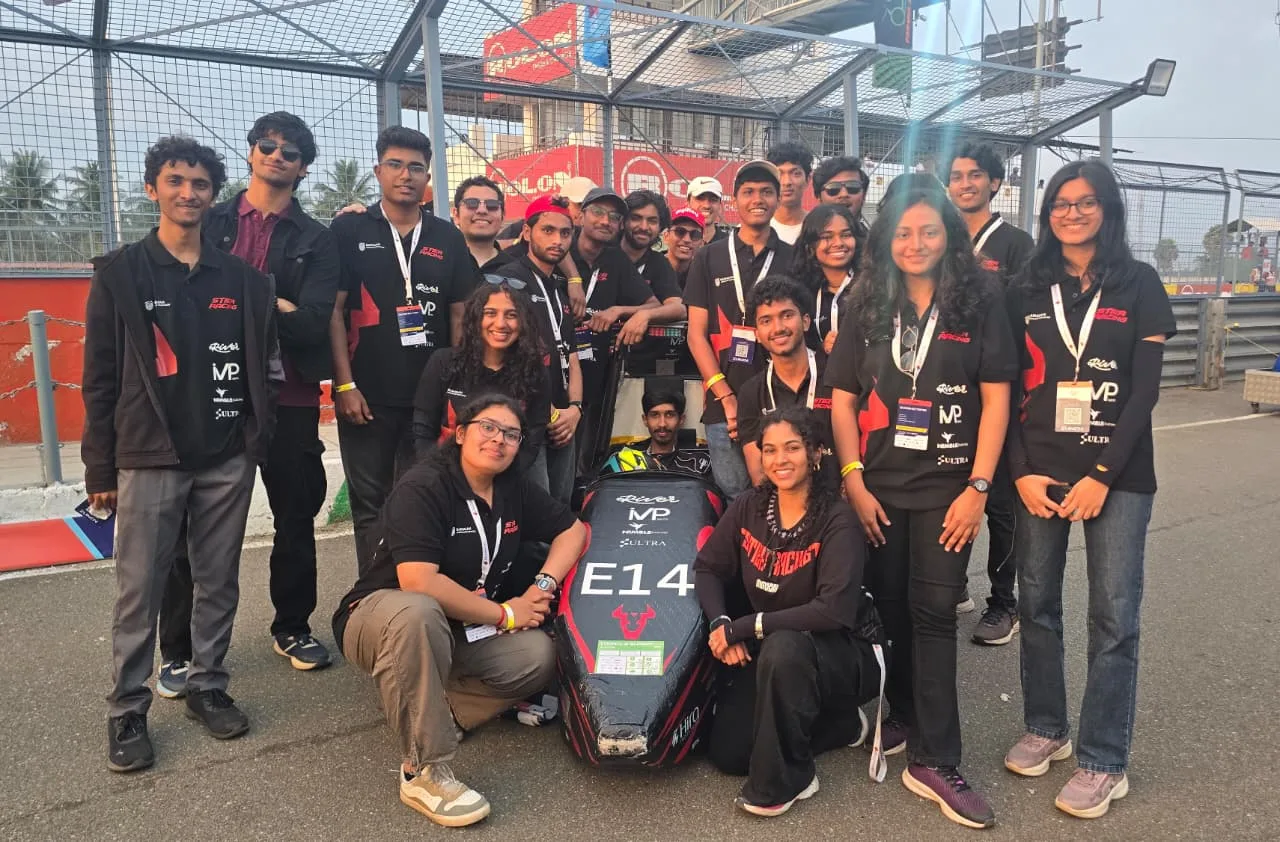
Automotive Club- Team Stier Racing
Team Stier Racing is a multidisciplinary student team representing the Department of Mechanical Engineering, M. S. Ramaiah Institute of Technology, Bengaluru. The team focuses on designing, developing and testing Formula Student electric vehicles, offering students hands-on experience in electric powertrains, vehicle dynamics, manufacturing, simulation, technical documentation, teamwork and project management.The team has participated in Formula Green competitions in 2019, 2020 and 2022, and in Formula Bharat in 2020, 2022 and 2024 at Kari Motor Speedway, Coimbatore. At the Formula Green 2022 National Competition, Team Stier Racing secured 1st place in the Best Design Award and 1st place in the Business Plan Award, while its captain received the Best Captaincy Award. At Formula Bharat 2024, held from 19–24 January 2024, the team further demonstrated its excellence by securing the Runner-up position in the Business Plan Presentation.Faculty Mentor : Dr.Gururaj Lalagi Assistant Professor . Dept. of Mechanical Engineering
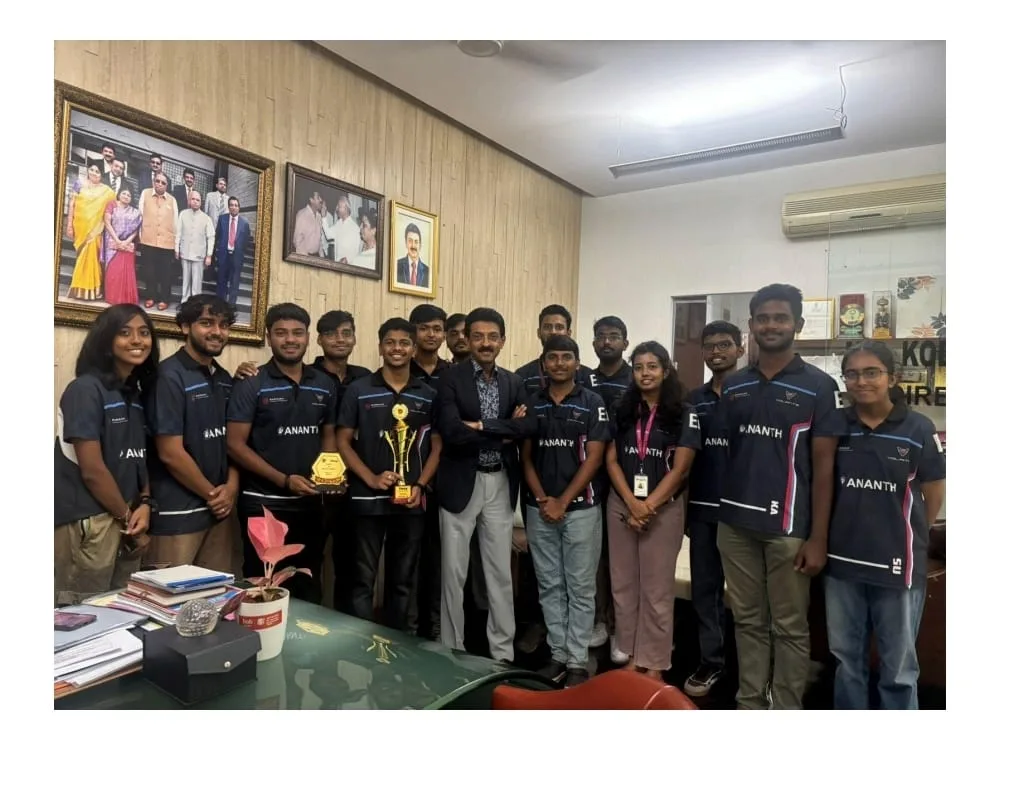
Automotive Club- Team Volante
Team Volante from the Department of Mechanical Engineering is a multidisciplinary student team focused on the design, development, fabrication and testing of go-karts for both off-road and on-road competitive events. The initiative provides students with practical exposure to vehicle design, chassis fabrication, steering, braking, power transmission, safety assessment, technical documentation, teamwork and project management.The team represented the institution at the Dirt Kart Design Challenge (DKDC) Season 2, a national-level competition organised by the Fraternity of Mechanical and Automotive Engineers (FMAE) at Valpoi–Koparde, Goa. The competition included static evaluation through technical inspection, design and safety compliance, followed by dynamic events such as acceleration and braking, skidpad, autocross and endurance. Team Volante successfully cleared all evaluations and emerged as the Overall Champion, demonstrating excellent technical execution, vehicle performance and teamwork.Faculty Mentor : Dr. Nandeesha H L, Assistant Professor . Dept. of Mechanical Engineering
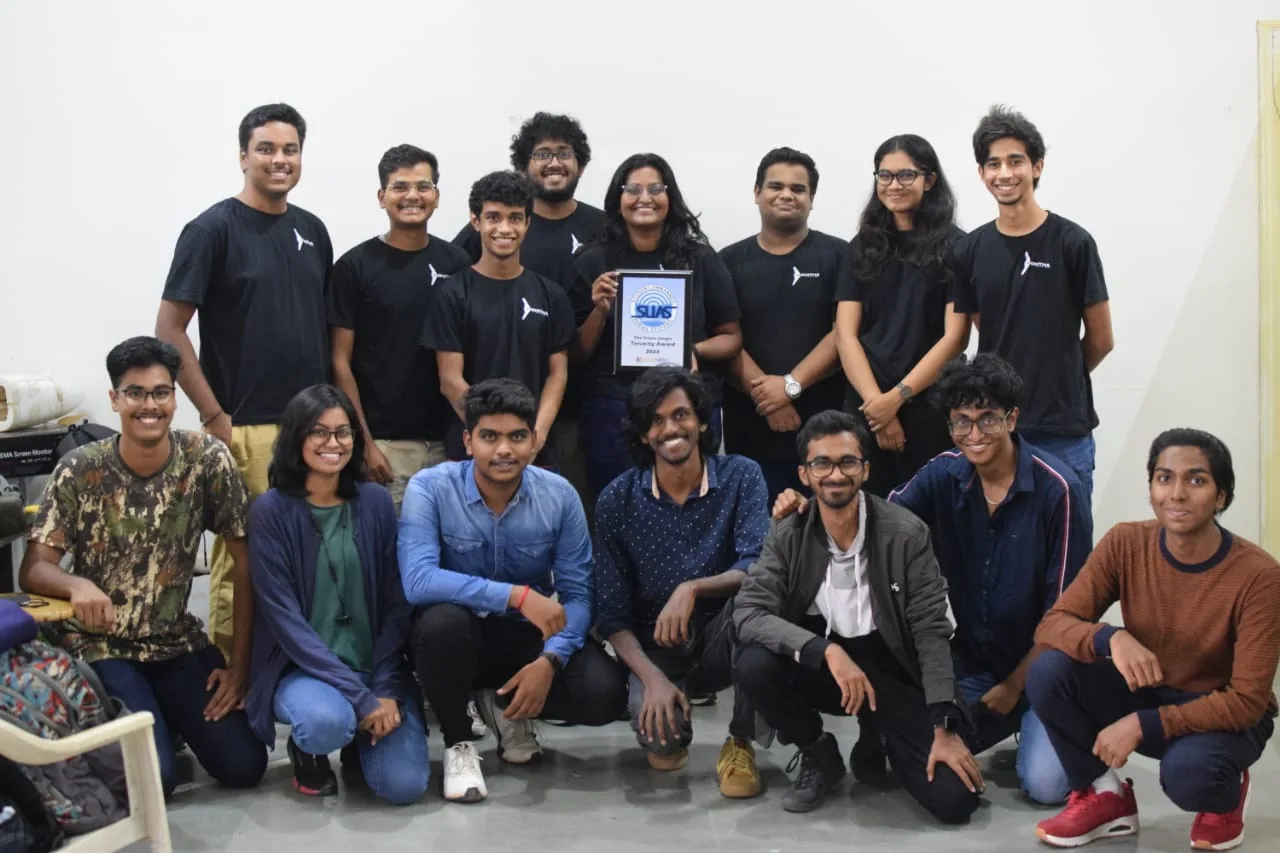
Aero Club-Team Editha
Team Edhitha is a multidisciplinary undergraduate student team from Ramaiah Institute of Technology focused on the design, development and operation of advanced unmanned aerial systems. In 2015, the team created history by becoming the first Indian team to win the prestigious Student Unmanned Aerial Systems (SUAS) Competition held in Maryland, USA.The team continued its strong international presence by participating in the 2022 SUAS Competition, where it received the Dawn Jaeger Tenacity Award. In 2025, Team Edhitha secured an impressive 4th place overall and received a USD 1,000 cash prize at the SUAS Competition in Maryland. These achievements reflect the team’s technical excellence, innovation, perseverance and expertise in unmanned aerial-system technology.
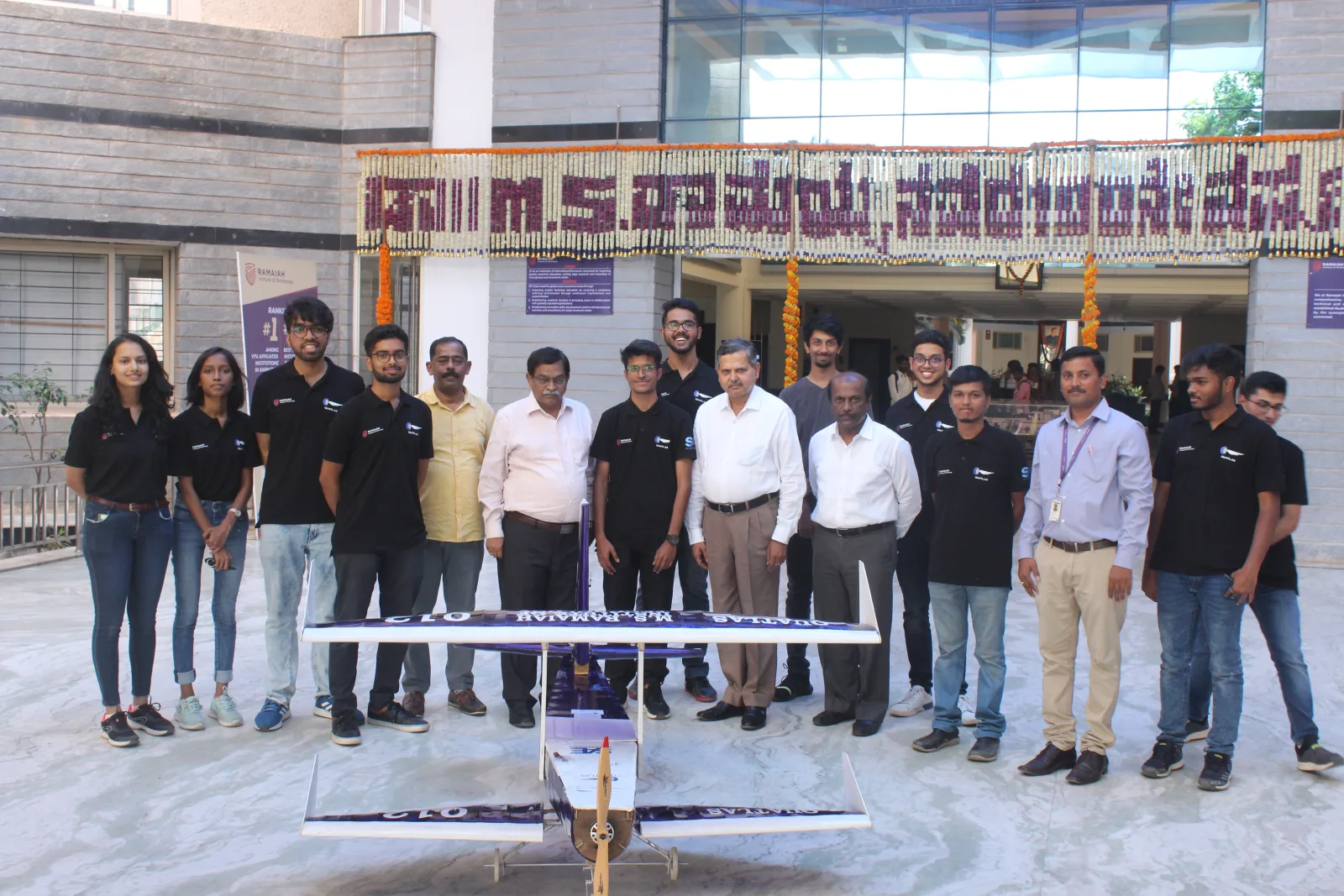
Aero Club- Team Quatlas
Team Quatlas is the official aeromodelling team of Ramaiah Institute of Technology, Bengaluru. Established in 2015, the team comprises passionate and dedicated students from multiple engineering disciplines who collaborate to design, develop, fabricate and test radio-controlled aircraft. The initiative provides valuable hands-on experience in aerodynamics, structural design, propulsion, manufacturing, technical documentation, teamwork and project management.The team has represented the institute at the prestigious SAE Aero Design Competition held annually in the USA, including SAE Aero Design West 2019 at Van Nuys, California. At SAE Aero Design West 2022, held from 8–10 April in Van Nuys, Team Quatlas competed against 30 teams from leading universities worldwide. Among the three participating teams from India, Quatlas was the only team from Karnataka.The team achieved the following distinctions:2nd place in the Technical Written Design Report10th place in the Technical Presentation9th place in the Overall International Standings1st among all participating Asian teamsThese achievements reflect the team’s technical competence, innovation, multidisciplinary collaboration and continued excellence in aeromodelling and aerospace engineering.Faculty Mentor: Dr. Gururaj Lalagi Assistant Professor , Dept. of Mechanical Engg.
Board of Studies
View the members of the Board of Studies for this department.
View Members